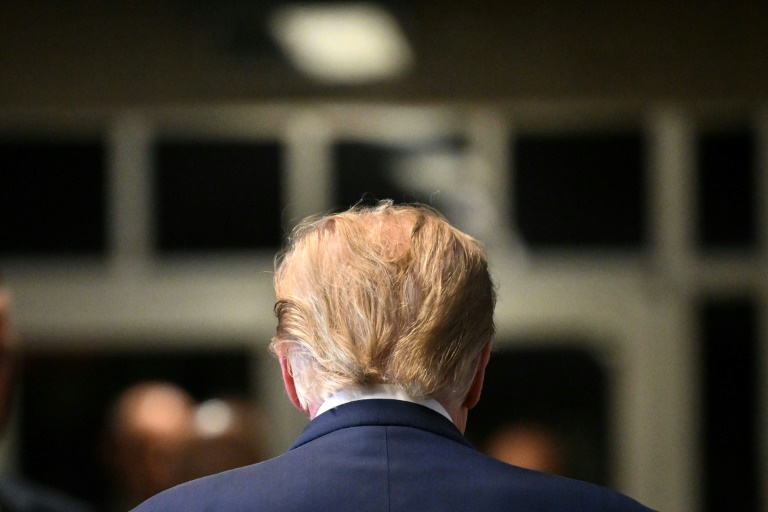

Washington (United States) (AFP) – US President Donald Trump said Tuesday that the war with Iran may be over in two or three weeks and it will be up to other countries to secure the vital Strait of Hormuz oil shipping channel. The White House announced meanwhile that Trump would give an address to the nation at 9:00 pm Wednesday (0100 GMT Thursday) “to provide an important update on Iran.”
In other developments, Israeli Prime Minister Benjamin Netanyahu said the joint campaign against Iran had “changed the face of the Middle East,” and Iranian President Masoud Pezeshkian said Tehran had the “necessary will” to end the war provided its enemies guaranteed it would not flare up again. In Lebanon, the health ministry said early Wednesday that seven people were killed in Israeli strikes in south Beirut and a nearby area, and the Israeli military said it had struck a senior Hezbollah commander. Israel’s campaign against Iran-backed Hezbollah has left more than 1,200 dead in Lebanon, according to the health ministry, with over a million displaced.
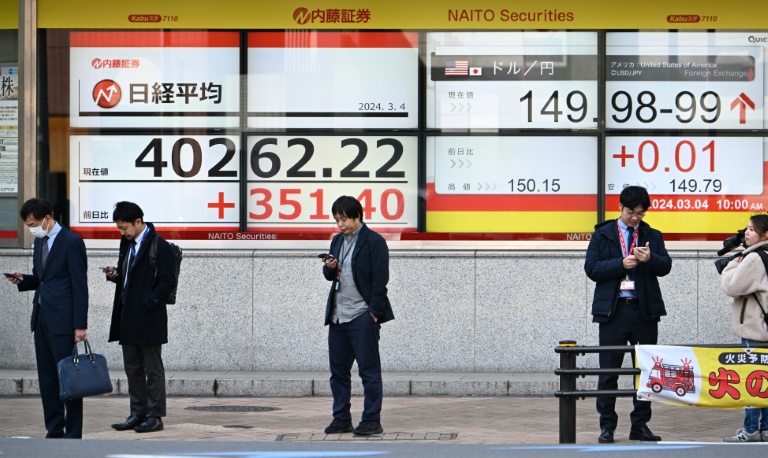
US stocks surged on hopes that a resolution to the month-long war may be in sight, and Brent oil futures finished down 3.2 percent at $103.97 per barrel. Japan’s Nikkei climbed more than three percent at the open Wednesday, and South Korea’s Kospi was up nearly five percent.
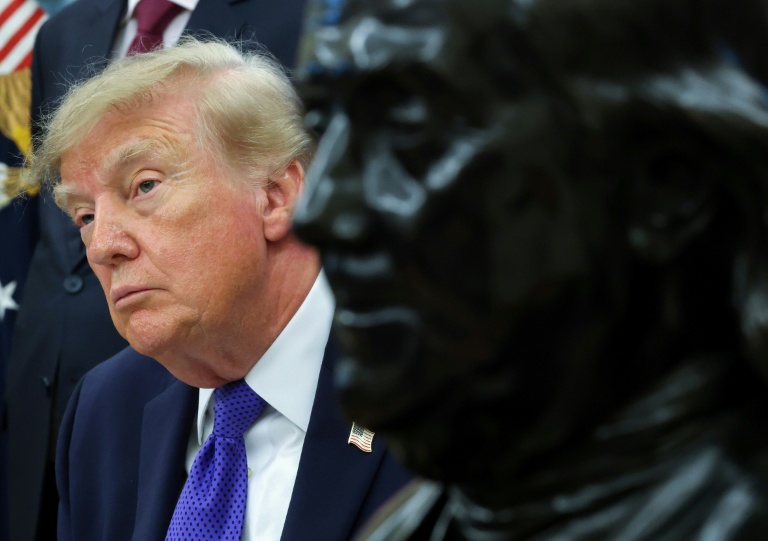
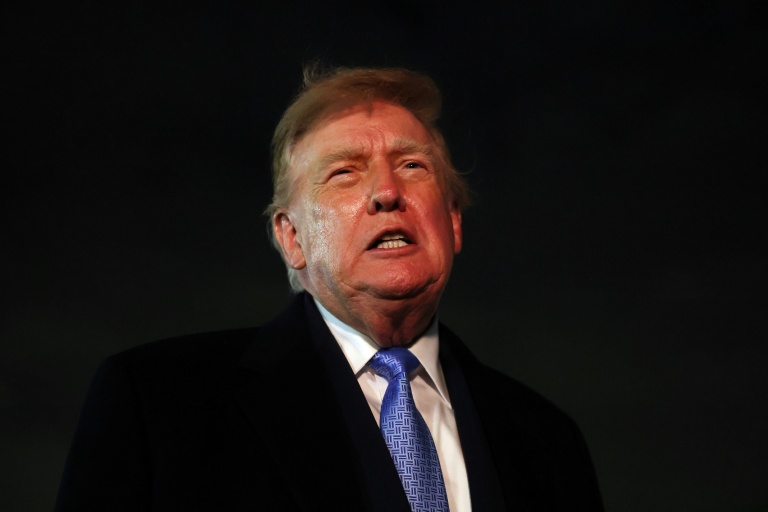
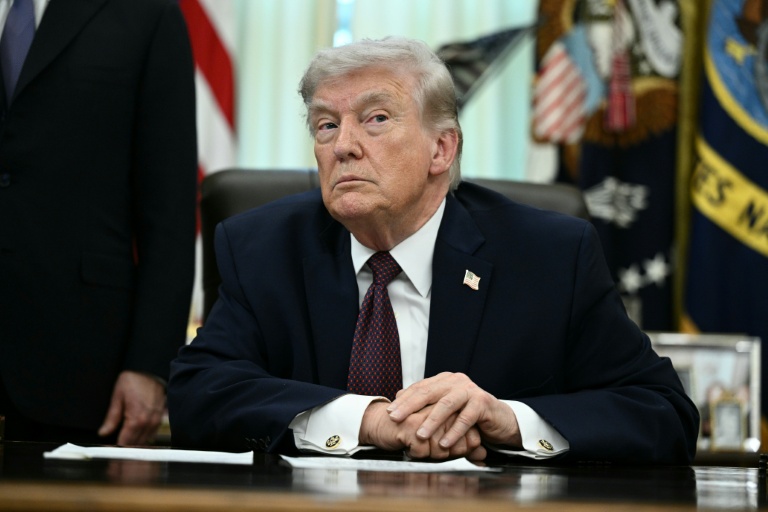
Trump, speaking to reporters in the Oval Office, said the United States would be leaving Iran “very soon,” perhaps within “two weeks, maybe three.” “But we’re finishing the job,” he insisted. “We want to knock out every single thing they have,” Trump said, before adding that “it’s possible that we’ll make a deal before that.” Trump has zigzagged previously on whether Washington plans to escalate the war that has roiled the world economy — possibly by deploying American ground forces — or try to end it through negotiations with Tehran.
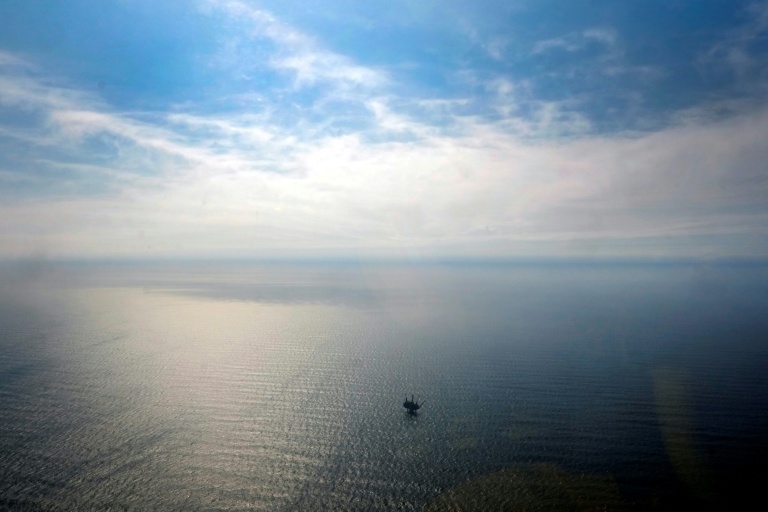
As for Hormuz, which has been blockaded by Iran and through which one-fifth of global oil normally passes, Trump said France, China, and other countries that seek passage through the waterway will have to “fend for themselves.” “What happens with the strait we’re not going to have anything to do with,” he said. In a Truth Social post earlier Tuesday, Trump lashed out at NATO allies and other countries that have refused to help the United States secure the strait. “The U.S.A. won’t be there to help you anymore, just like you weren’t there for us,” he wrote. “Iran has been, essentially, decimated. The hard part is done. Go get your own oil!”
Netanyahu, in a televised statement on the eve of the Passover holidays, said Israeli forces “will continue to crush the terror regime” in Tehran. “We had to act, and we acted,” he said. “We have changed the face of the Middle East.” The United States has not said who it is speaking with in Iran, which has denied it is in talks. Iranian Foreign Minister Abbas Araghchi told Al Jazeera that he still receives messages from US envoy Steve Witkoff, “directly, as before, and this does not mean that we are in negotiations.”
Iran’s Revolutionary Guards also threatened to retaliate against leading US tech firms such as Google, Meta, and Apple from Wednesday if more Iranian leaders were assassinated. Trump and Netanyahu launched the war on February 28, killing Iran’s supreme leader Ayatollah Ali Khamenei and setting off a wave of retaliatory attacks by Tehran across the region. The Guards charged that 18 companies, including Intel, Tesla, and Palantir, were complicit in previous killings and warned they should expect “destruction” if there are any further assassinations.
Pentagon chief Pete Hegseth, speaking to reporters early Tuesday after he visited US troops in the Middle East, vowed that “the upcoming days will be decisive.” “Iran knows that, and there’s almost nothing they can militarily do about it.” Trump had threatened on Monday that if Iran didn’t agree to a deal, US forces would “obliterate” its oil wells, its main Kharg Island export terminal, and possibly water desalination plants.
On Tuesday, heavy strikes hit the central city of Isfahan and Tehran. Iranian media reported that two steel complexes in the country had been hit. Iranian state media also reported damage to a Shia religious centre in Zanjan, while the government said airstrikes had hit a plant making cancer drugs, claims AFP could not independently verify. Tehran residents spoke of trying to cling to some routine. “When I make it to a cafe table, even for a few minutes, I can almost believe the world hasn’t ended,” dental assistant Fatemeh, 27, told AFP in Paris via a messaging app. “And then I go back home, back to the reality of living through war, with all its darkness and weight.”
© 2024 AFP