
Paris (France) (AFP) – Here are the latest economic events in the Middle East war:
– **Asia stocks soar, oil plummets**
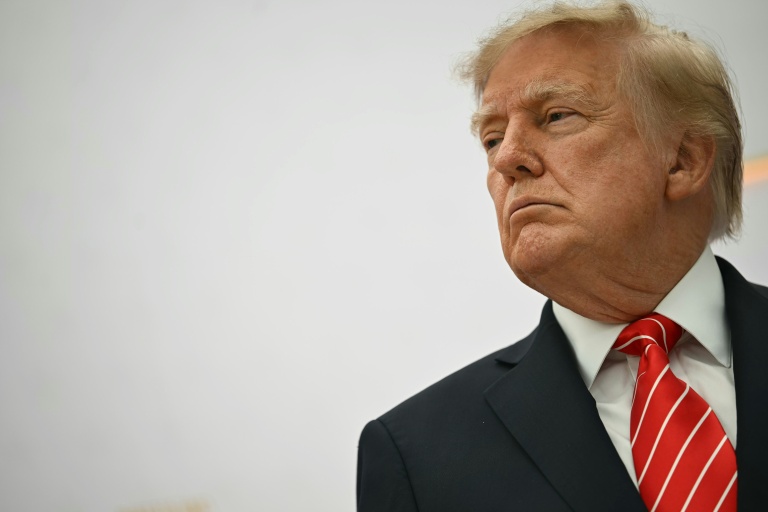
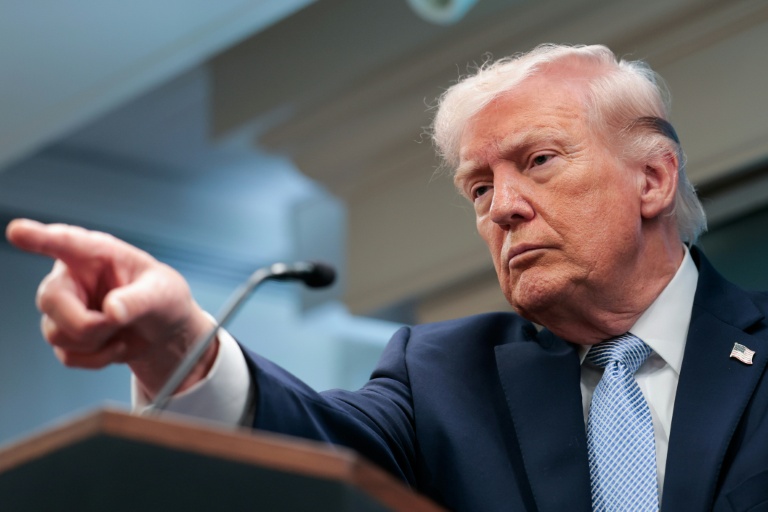
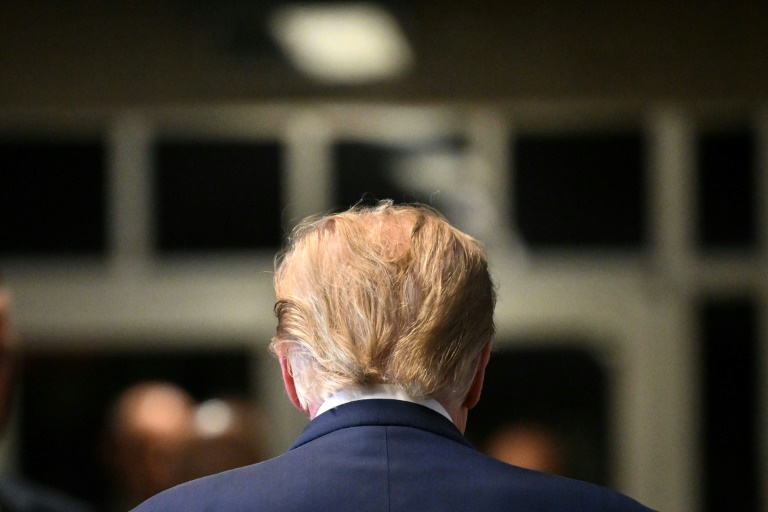
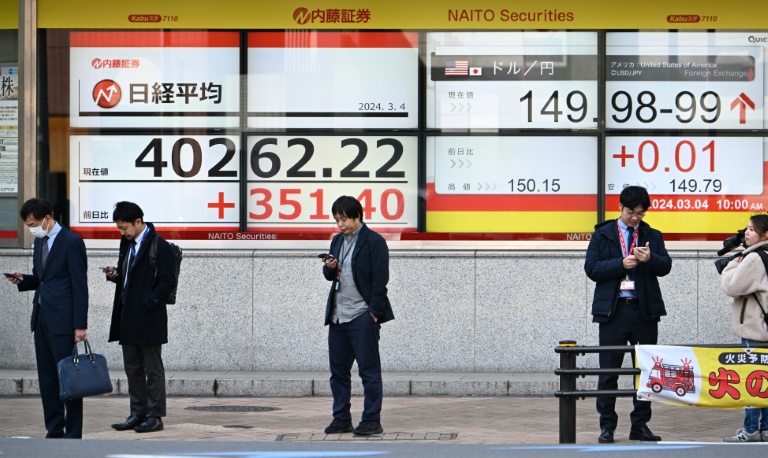
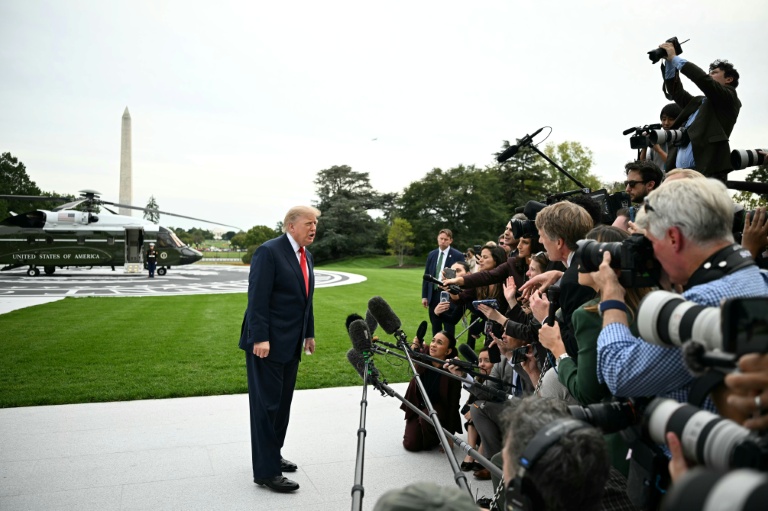
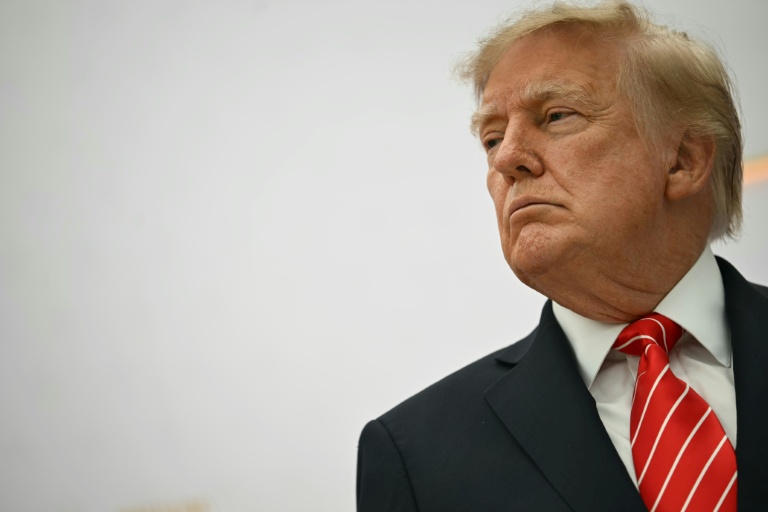
Stock markets in Japan and Korea soared early Wednesday after US President Donald Trump announced a two-week ceasefire with Iran, with talks during the interim period mediated by Pakistan. Oil prices meanwhile plummeted, with both the WTI and Brent crude benchmarks falling below $100 a barrel.
– **Iran agrees to safe Hormuz passage**
Iran’s foreign minister said that under the two-week ceasefire agreement, maritime traffic through the vital Strait of Hormuz would be guaranteed. The transits “will be possible via coordination with Iran’s Armed Forces and with due consideration of technical limitations,” Iranian Foreign Minister Abbas Araghchi posted on X.
– **Madagascar declares energy emergency**
Madagascar declared a two-week national energy emergency, saying disruptions in supply because of the war in the Middle East were causing a crisis. The Indian Ocean island is a net importer of fuel, most of which comes from Oman, just south of the crucial Strait of Hormuz.
– **Saudi petrochemical complex hit**
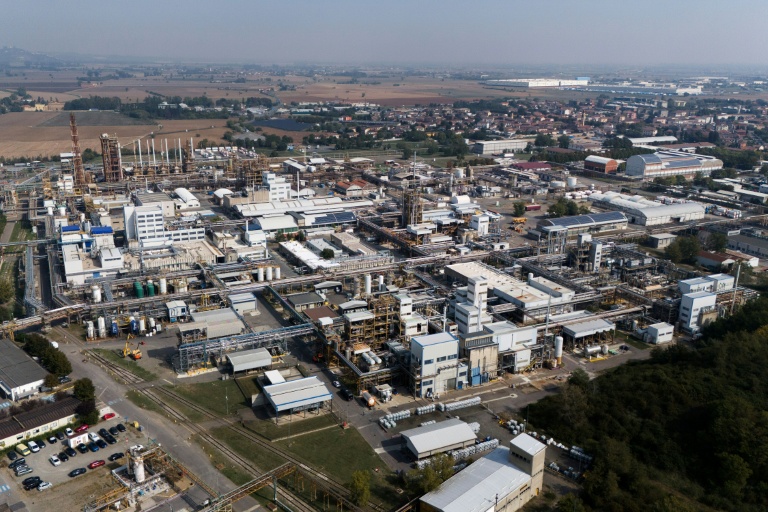
Overnight attacks on Saudi Arabia hit a petrochemical complex in a sprawling industrial area in the eastern city of Jubail, a witness who requested anonymity told AFP on Tuesday, hours after similar installations in Iran were struck. Jubail is home to one of the world’s largest industrial cities, where steel, gasoline, petrochemicals, lubricating oil, and chemical fertilizers are produced.
– **Bahrain’s main port to pause operations**
Bahrain’s main port will suspend operations starting early Wednesday, around the time of a US deadline for Iran to agree to a deal or face attacks on civilian infrastructure. “Operations in Khalifa Bin Salman Port will be temporarily suspended from early April 8,” APM Terminals Bahrain, which operates the port, told AFP.
– **Russia, China veto UN resolution on Strait of Hormuz**
Russia and China vetoed a UN Security Council resolution Tuesday on reopening the Strait of Hormuz, a text already diluted from the green light Gulf states had sought to use force to protect the key shipping lane. The draft resolution prepared by Bahrain and supported by the United States received 11 votes in favor, two against, and two abstentions. Bahrain’s Foreign Minister Abdullatif bin Rashid Al Zayani said Gulf states “regret” the rejection of the measure.
– **Iran reports strikes on bridges, key highway, railways**
Iranian officials reported damage to bridges, railway systems, and highways on Tuesday as part of a wave of deadly airstrikes on infrastructure. A bridge near the holy city of Qom and another carrying a railway line in the central city of Kashan were struck, according to regional officials quoted by state media. A key highway in northern Iran connecting the main northern city of Tabriz with Tehran via Zanjan was also temporarily closed after a hit around 90 kilometers (55 miles) outside of Tabriz, IRNA and Fars agencies reported.
– **US-Israeli strikes hit Kharg island**
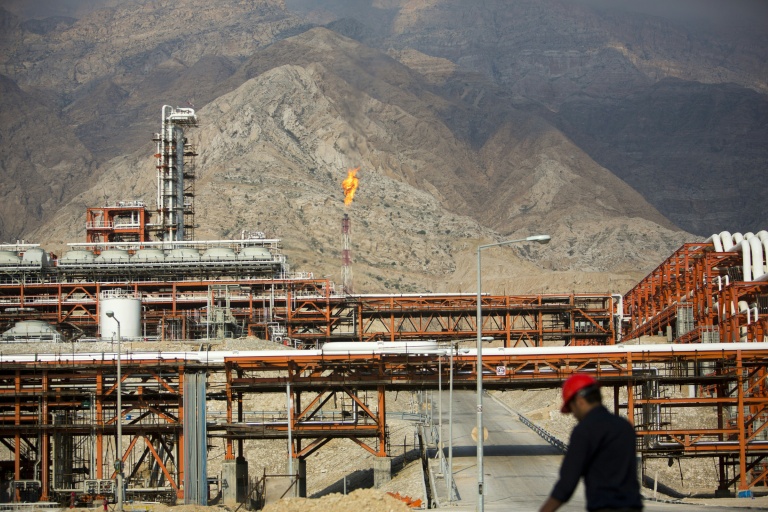
US-Israeli strikes have hit the key Iranian oil export terminal of Kharg island, media reported Tuesday. “The American-Zionist enemy has carried out several attacks on Kharg island, and several explosions have been heard there,” Iran’s Mehr news agency reported. According to an X post by journalist Barak Ravid of the news site Axios, citing a US official, the US carried out “strikes on military targets” on the island located off Iran’s western coast.
© 2024 AFP