
Tehran (AFP) – Iran showed no sign of backing down Tuesday as a US deadline loomed for it to reopen the Strait of Hormuz, defying threats by President Donald Trump to “decimate” the country’s civilian infrastructure. The Iranian army dismissed what they called Trump’s “arrogant rhetoric and baseless threats”, saying they would not hinder operations against US and Israeli forces more than five weeks into the war.
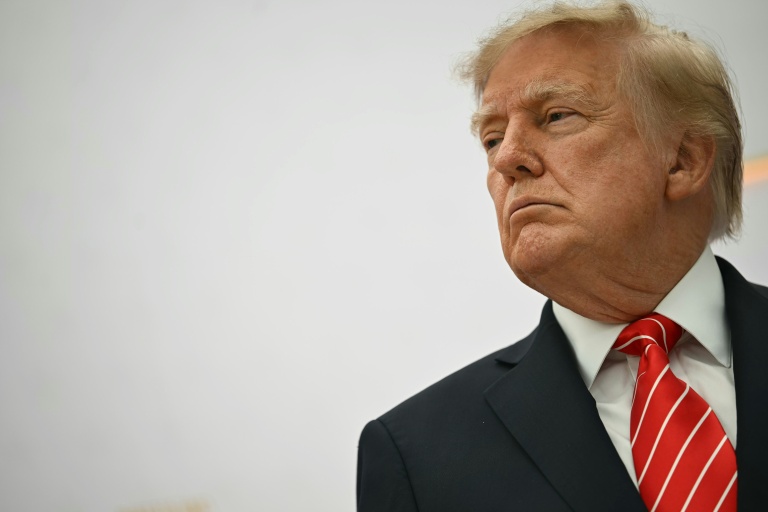
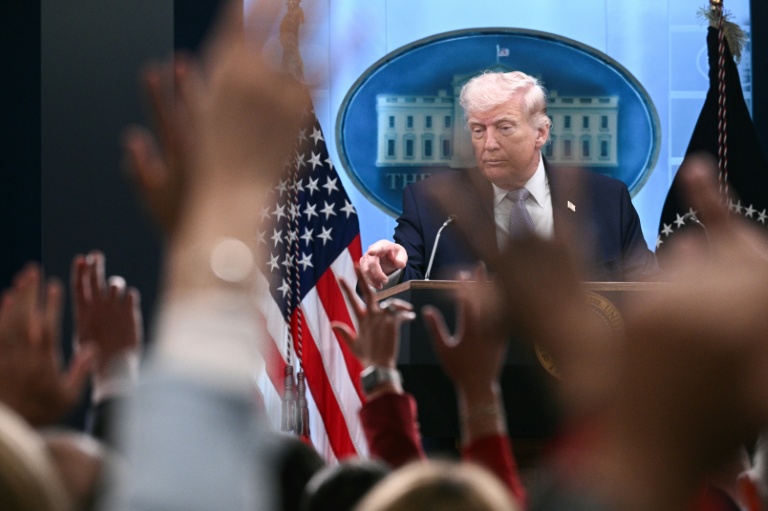
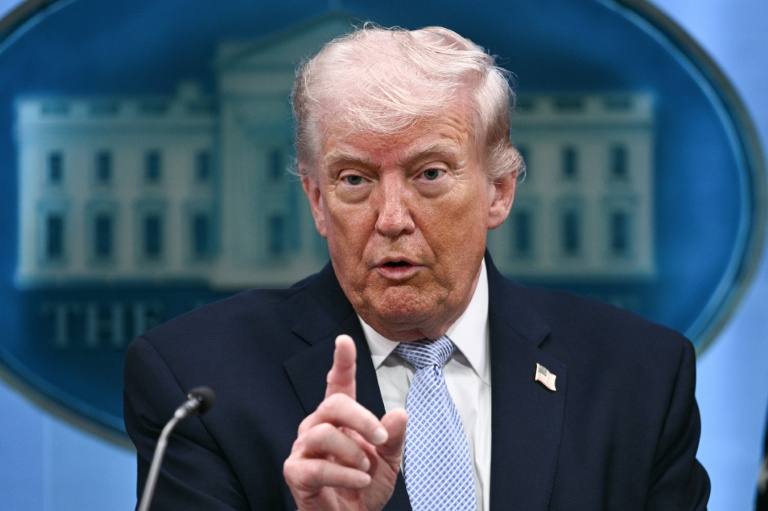
Trump has warned that unless Tehran allows free passage through the strategic oil chokepoint by midnight GMT Tuesday, the United States will unleash what he called the “complete demolition” of Iran’s critical infrastructure. “We have a plan…where every bridge in Iran will be decimated by 12 o’clock tomorrow night, where every power plant in Iran will be out of business, burning, exploding and never to be used again,” Trump said, brushing aside accusations such strikes would constitute war crimes.
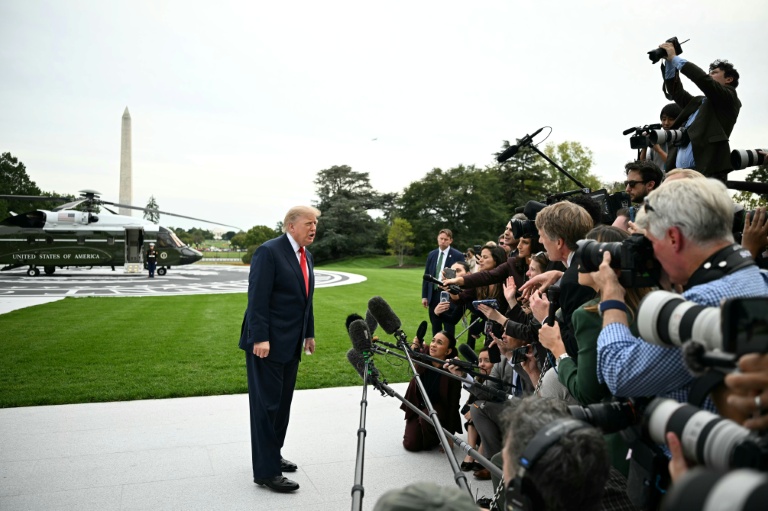
“I mean complete demolition by 12 o’clock, and it’ll happen over a period of four hours — if we wanted to,” Trump said at a press conference during which he also recounted the rescue of the two crew members of a US F-15 fighter jet shot down over Iran last week. The Iranian army’s Khatam Al-Anbiya central command, responding to Trump’s threats, called him “delusional” and said “crushing operations of the warriors of Islam against the American and Zionist enemies” would continue.
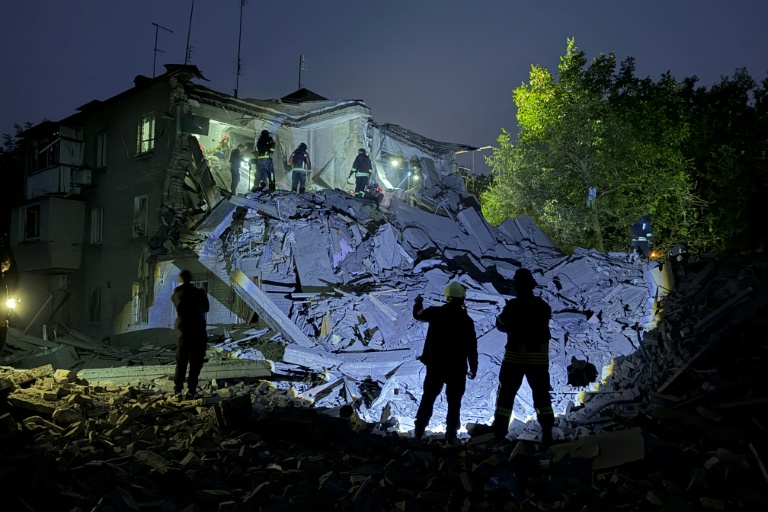
Fighting raged across the region overnight, with Israel’s military saying Tuesday it carried out a new “wave” of air strikes on what it called Iranian “terror regime infrastructure” in Tehran and other areas. Iranian media said explosions were heard in parts of Tehran and nearby Karaj early Tuesday. The Israeli army later said it had detected missiles launched from Iran towards Israeli territory, adding that air defence systems were working to intercept them.
Across the Gulf, Bahrain’s interior ministry said air-raid sirens sounded Tuesday morning, urging residents to seek shelter, while the United Arab Emirates said its air defences were actively engaging missiles and drones. Saudi Arabia’s defence ministry said its air defences intercepted and destroyed seven ballistic missiles launched towards the kingdom’s east, with debris falling near energy facilities.
Both Trump and Iran, meanwhile, said a proposal touted by international mediators for a 45-day ceasefire is not yet ready. Trump had said earlier that the plan, which the US media said is being mediated by Pakistan, Egypt, and Turkey, was a “significant proposal,” but he later went on to say it was not good enough. Iranian state media quoted officials as saying that Tehran too “has rejected a ceasefire and insists on the need for a definitive end to the conflict”.
The New York Times, citing two unnamed senior Iranian officials, reported that Iran was demanding guarantees against future attacks and an end to Israeli strikes on its ally Hezbollah in southern Lebanon. Under the plan, Iran would reopen the strait while charging around $2 million per vessel, a fee it would share with neighbouring Oman, the paper reported.
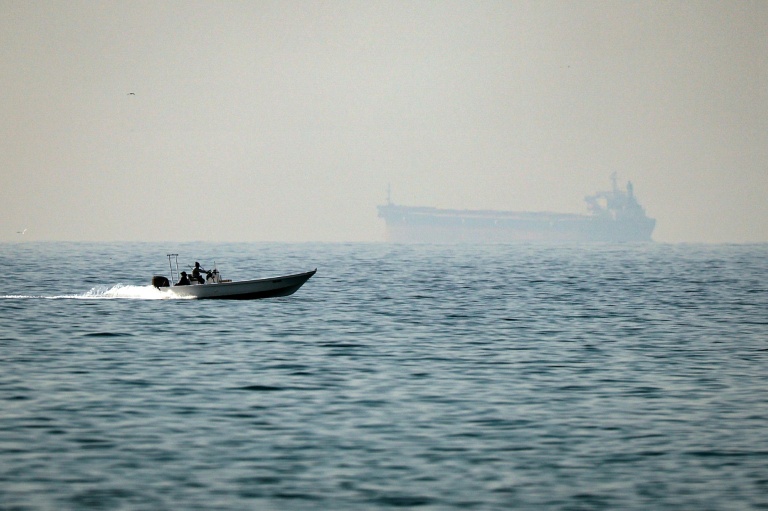
On the diplomatic front, the UN Security Council is set to vote Tuesday on a watered-down resolution addressing Iran’s threats to the Strait of Hormuz, diplomatic sources told AFP, after more robust earlier drafts faced potential vetoes. Iran has effectively blocked the waterway since the start of the war on February 28, driving up global oil and gas prices. Around one‑fifth of the world’s oil normally flows through the strait.
Bahrain, backed by other oil-exporting Gulf countries, launched negotiations two weeks ago on a draft resolution that would have given a clear UN mandate to any state wishing to use force to unblock the strait. However, objections from several veto-holding permanent members have seen the text watered down and the latest draft seen by AFP does not expressly authorise force.
Iran’s UN envoy, meanwhile, warned the UN chief that US threats amounted to state terrorism and would “normalise war crimes and humanitarian catastrophes and embolden aggressors, with consequences that extend beyond the region”, the state-run IRNA reported. Iran’s Revolutionary Guards confirmed that their intelligence chief, Majid Khademi, was killed in US-Israeli strikes on Monday, vowing a “major retaliatory strike”. Israel said it had also killed Asghar Bagheri, a senior commander in the Guards’ Quds Force, with Prime Minister Benjamin Netanyahu warning: “We will reach anyone who seeks to harm us.”
© 2024 AFP