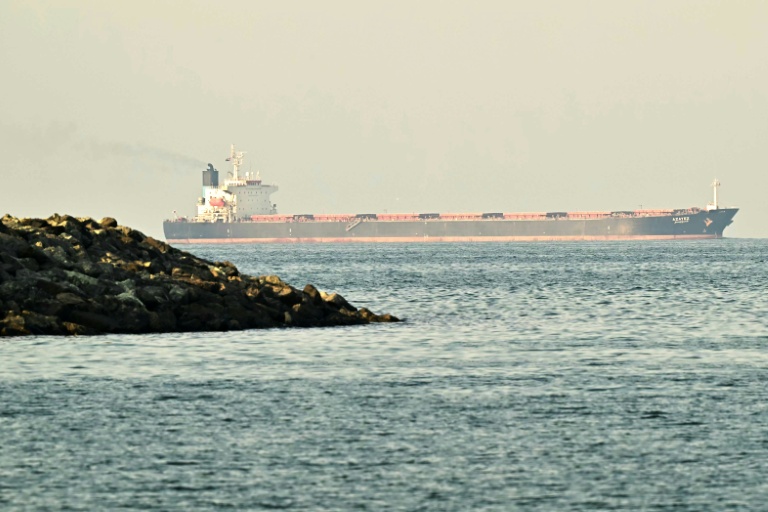

Washington (United States) (AFP) – US President Donald Trump’s administration on Friday issued a month-long sanctions waiver allowing the sale of Russian oil and petroleum products that are at sea, extending an earlier move to soften surging energy prices. The license, issued by the Treasury Department, comes two days after Treasury Secretary Scott Bessent said that Washington would not renew the waiver.
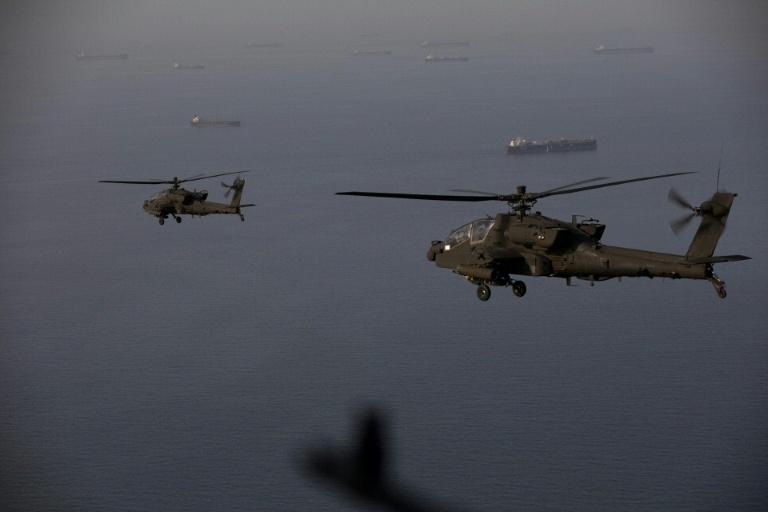
The latest move allows for the purchase of oil and petroleum products that have been loaded onto any vessel as of Friday, through 12:01 am (0401 GMT) on May 16. It prolongs an earlier easing of sanctions that expired on April 11. On Wednesday, however, Bessent had told reporters that the United States would not make such an extension for Russian oil – or Iranian oil. Both measures aimed to ease global supply shocks from the US-Israeli war against Iran. Tehran retaliated by effectively closing off the Strait of Hormuz, a key waterway for energy shipments. Oil prices have since surged, squeezing countries and especially those dependent on energy exports from the region. US gasoline prices have jumped as well, putting pressure on households ahead of key midterm elections this year.
But such waivers could complicate efforts to deprive Russia of oil revenue needed for its war on Ukraine. Senate Democrats Jeanne Shaheen, Chuck Schumer and Elizabeth Warren slammed the decision as “shameful” in a joint statement. “This decision is shameful and a 180-degree reversal from Secretary Bessent, just two days after he pledged not to extend sanctions relief for Russia,” the senators said. “Make no mistake, Putin has been one of the biggest beneficiaries of President Trump’s war against Iran, as Russia saw oil revenues nearly double in March,” they added.
This week, after a meeting of Group of Seven finance leaders in Washington, French Finance Minister Roland Lescure stressed that “Russia mustn’t be getting benefits from what’s happening in Iran.” He added that Ukraine should also not be “collateral damage.” Russia’s invasion of Ukraine, launched in 2022, has become the deadliest conflict in Europe since World War II.
© 2024 AFP