
Geneva (AFP) – The WTO on Thursday sharply raised its global trade growth forecast for 2026, with merchandise trade riding the AI boom and proving more resilient than expected amid the Middle East crisis. Thanks to supply chain adaptations and the surge in artificial intelligence investments, the World Trade Organization now projects 3.9 percent growth in the volume of merchandise trade this year, up from 1.9 percent predicted in March. The WTO is forecasting 4.1 percent trade growth next year, up from the 2.6 percent predicted seven months ago. Global GDP is expected to grow by 2.6 percent this year and 2.9 percent in 2027, it added.
“The numbers reflect trade resilience in action,” said WTO chief Ngozi Okonjo-Iweala. “When disruptions strike, an integrated world economy and a rules-based trading system provide economies flexibility to keep essential products flowing to businesses and households that need them,” she said. “Nevertheless, some have felt the shock more than others, and not everyone can access emerging opportunities like AI.”
– AI offsets Iran war –
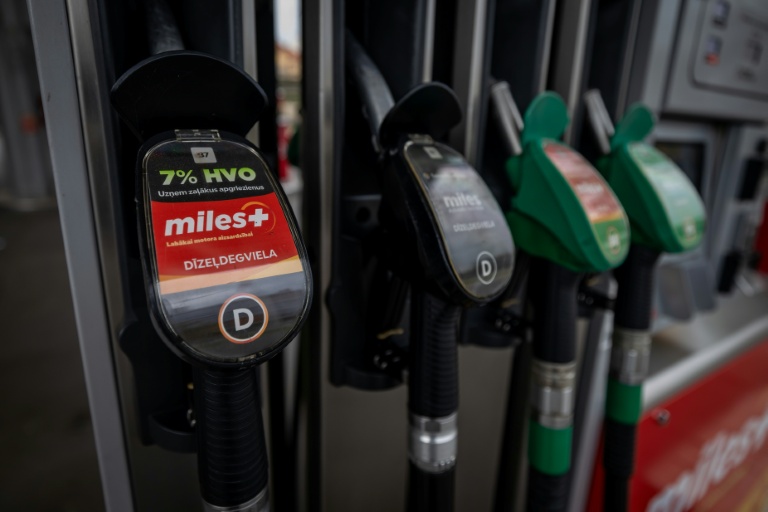
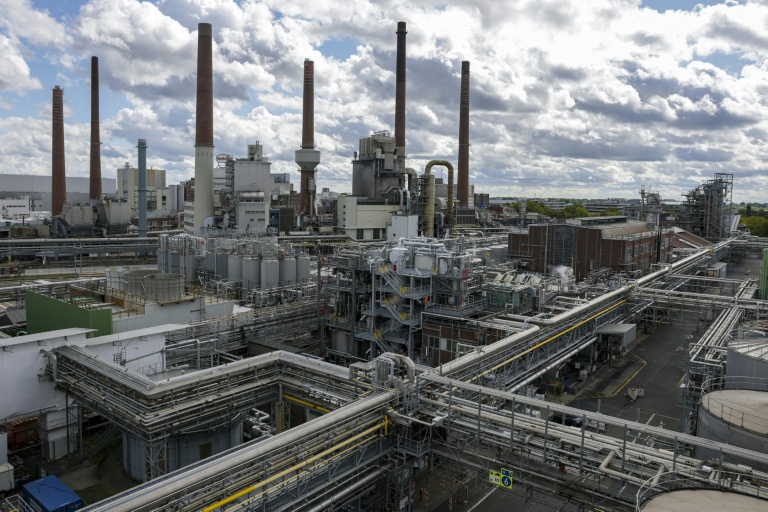
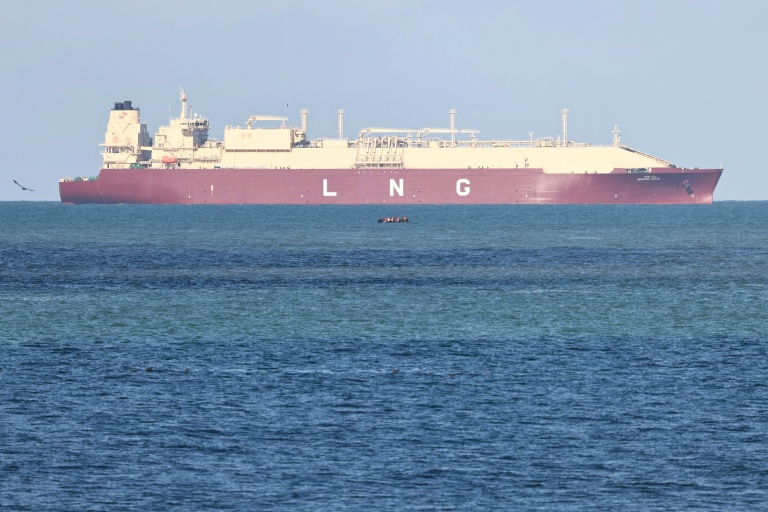
The WTO said that while disruptions of shipments through the Strait of Hormuz had reduced energy supplies and raised prices of key energy products and fertilizers, most economies outside of the region had remained resilient. It said supply chains had successfully adapted to disruptions in the energy, fertilizer, and transport markets caused by the Iran war. Merchandise trade grew by 3.5 percent in the first half of 2026, exceeding WTO expectations. Global crude oil exports fell by only about six percent, and liquefied natural gas exports dropped by one percent. Meanwhile, global container traffic actually increased by 3.9 percent during the first seven months of 2026.
And strong demand linked to AI investment “more than offset the negative effects” of the conflict. Increased spending on semiconductors, data centers, and digital infrastructure raised demand for imported AI-enabling goods, providing a significant boost to global goods trade. Trade in semiconductors, servers, and other equipment essential to AI surged by 67 percent year-on-year in the first half of 2026. That alone accounted for 47 percent of global merchandise trade growth, accelerating an expansion trend that was already robust in 2024 and 2025, the WTO said.
WTO chief economist Robert Staiger told reporters the organization was “surprised” that the Middle East conflict did not reduce trade as much as had been feared and likewise “surprised in the strength of the AI investment boom.” “But any slowdown in AI investment could precipitate a slowdown in trade,” he warned. Global spending on AI infrastructure is expected to rise at least 30 percent this year, and current market forecasts suggest AI capital expenditure will continue to rise by a further 10 to 20 percent in 2027. Trade in AI-enabling goods has evolved in two years from a component of merchandise trade to one of its main drivers, the WTO said. “The expansion is rapid, sustained and very concentrated: a small number of East and Southeast Asian economies supply these goods, while North America is driving demand.”
– Middle East exports hit –
However, the Geneva-based organization said trade resilience was not uniform, with services trade and some regions more exposed to the effects of the conflict. In 2026, Asia is expected to record the fastest merchandise export growth (9.9 percent), followed by North America (5.7 percent). Export performance is projected to remain weak in Europe, down 0.1 percent, and to contract sharply in the Middle East, down 17.2 percent. WTO economists have lowered their forecasts for trade in services, though growth is nonetheless expected to remain positive.
© 2024 AFP