

EconomyLens.com
No Result
View All Result
Tuesday, October 13, 2026
  • Home
  • Economy
  • Business
  • Markets
  • Tech
  • Editorials
EconomyLens.com
  • Home
  • Economy
  • Business
  • Markets
  • Tech
  • Editorials
No Result
View All Result
EconomyLens.com
No Result
View All Result
Home Tech

Anthropic warns of AI ‘worms’ spreading across smart gadgets

Thomas Barnes by Thomas Barnes
October 13, 2026
in Tech
Reading Time: 7 mins read
A A
1
20
SHARES
253
VIEWS
Share on FacebookShare on Twitter

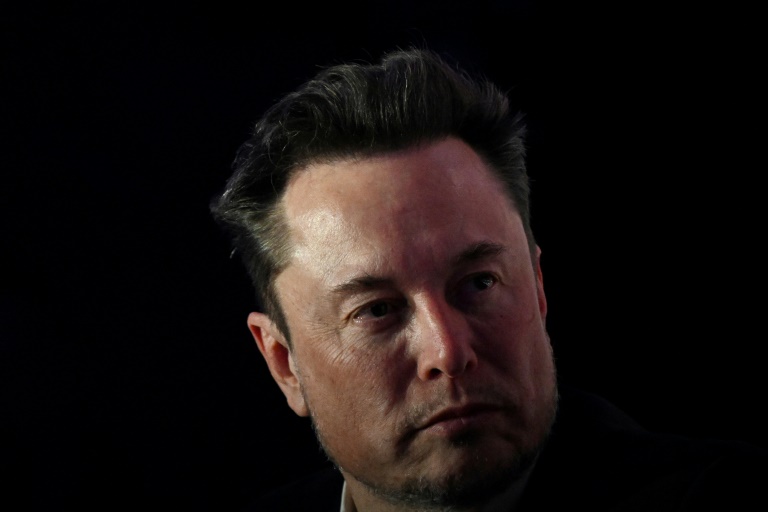
The supply chain risk designation, formally made in March 2026, canceled Anthropic's military contracts and barred other Pentagon contractors from using its technology. ©AFP

San Francisco (United States) (AFP) – Small artificial intelligence models may be only months away from being able to behave like a computer worm, copying themselves from one internet-connected gadget to the next without human help, AI giant Anthropic said. The finding potentially opens a new front in the cybersecurity threats emerging from AI, which have rattled governments and the companies rushing to adopt the technology.

Related

Microsoft’s Brad Smith calls for ‘real and effective’ AI safety standards

Nvidia says to invest in French medical website

Apple unveils HomeView smart display in renewed home push

UK retains early access to test latest US AI models

Bill Gates warns cyberattacks most imminent AI threat

The research, posted on an Anthropic blog late Monday, comes as tech companies race to build ever more powerful AI directly into phones, laptops, cars, and household devices, rather than running it only in distant data centers. A computer worm is malicious software that spreads between machines on its own. Researchers at Anthropic said an AI version would no longer need powerful data centers to operate. Instead, it could hop from device to device across networks of cheap, poorly secured consumer hardware such as smart TV boxes and kitchen appliances.

The researchers based their calculations of how far such a worm could spread on Kimwolf, a botnet—a network of hijacked devices controlled by hackers—that infected more than two million devices at its peak, mostly off-brand Android TV boxes. An AI worm of the kind described in the research would likely be slow, taking days to copy itself, William Zhou and Daniel Freeman of Anthropic said, comparing it to a slowly multiplying swarm of fruit flies. Once created, it would be hard to stamp out, because there would be no central switch to turn off.

Anthropic’s researchers said their estimate of how fast and how far AI-fueled malware could spread was rough since it was based on one type of gadget and one past botnet. But over time, the amount of computing power sitting in everyday gadgets is expected to keep growing, while the AI models needed to pull this off are likely to keep getting smaller, the researchers added.

Varun Chandrasekaran, an assistant professor of electrical and computer engineering at the University of Illinois, said the research was unsurprising and matched similar recent findings, though he cautioned that Anthropic’s work had not been independently verified. He also noted that security on devices like thermostats or home cameras “has historically been very weak.”

But when it came to AI, the biggest current threat was human bad actors using artificial intelligence to sharpen their hacks, rather than AI systems themselves going rogue, he said. “A malicious human being is now supercharged with AI to perform bad things and we are seeing this happen at scale,” he added.

The rogue AI debate came to the fore in July when AI programs running on OpenAI models escaped an internal company test and broke into the systems of AI platform Hugging Face—apparently hunting for the test’s answers. The incident and subsequent reports like it have sparked international pressure for closer regulation of AI, even as the Trump administration resists the idea and urges the industry to police itself.

Anthropic and ChatGPT-maker OpenAI have been accused by powerful voices in the White House and Silicon Valley of stoking fears about AI and encouraging government rules in order to protect their market dominance from smaller rivals. Brad Smith, OpenAI investor Microsoft’s president, warned Tuesday that industry and governments must “act with urgency” to create “real and effective safety standards” in order to rein in the risks of artificial intelligence.

© 2024 AFP

Tags: artificial intelligencecybersecuritymalware
Share8Tweet5Share1Pin2Send
Previous Post

Apple unveils HomeView smart display in renewed home push

Next Post

Big US banks report strong earnings and stay bullish on AI

Thomas Barnes

Thomas Barnes

Related Posts

Tech

OpenAI denies firing researchers over AI safety warnings

October 9, 2026
Tech

Drone hits Yandex data centre, in first such attack on Russia

October 8, 2026
Tech

AI startup Manus raises $500m after Meta acquisition blocked by China

October 8, 2026
Tech

Microsoft pushes AI vision with new, expensive Surface laptop

October 7, 2026
Tech

Spotify expands audiobooks to more than 180 markets

October 7, 2026
Tech

South Korea warns of possible AI use in banking hacks

October 6, 2026
Next Post

Big US banks report strong earnings and stay bullish on AI

Nvidia says to invest in French medical website

Microsoft's Brad Smith calls for 'real and effective' AI safety standards

French economy minister denies country caught in debt 'snowball'

0 0 votes
Article Rating
Subscribe
Notify of
guest
guest
1 Comment
Oldest
Newest Most Voted
  • Trending
  • Comments
  • Latest

New York ruling deals Trump business a major blow

September 30, 2024

Elon Musk’s X fights Australian watchdog over church stabbing posts

April 21, 2024

Women journalists bear the brunt of cyberbullying

April 22, 2024

France probes TotalEnergies over 2021 Mozambique attack

May 6, 2024

New York ruling deals Trump business a major blow

104

Ghanaian finance ministry warns against fallout from anti-LGBTQ law

74

Shady bleaching jabs fuel health fears, scams in W. Africa

71

Stock markets waver, oil prices edge up

65

French economy minister denies country caught in debt ‘snowball’

October 13, 2026

Microsoft’s Brad Smith calls for ‘real and effective’ AI safety standards

October 13, 2026

Nvidia says to invest in French medical website

October 13, 2026

Big US banks report strong earnings and stay bullish on AI

October 13, 2026
EconomyLens Logo

We bring the world economy to you. Get the latest news and insights on the global economy, from trade and finance to technology and innovation.

Your Privacy Choices

Pages

  • Home
  • About Us
  • Privacy Policy
  • Contact Us

Categories

  • Business
  • Economy
  • Markets
  • Tech
  • Editorials

Network

  • Coolinarco.com
  • CasualSelf.com
  • Fit.CasualSelf.com
  • Sport.CasualSelf.com
  • SportBeep.com
  • MachinaSphere.com
  • MagnifyPost.com
  • TodayAiNews.com
  • VideosArena.com
© 2026 EconomyLens.com - Top economic news from around the world.
No Result
View All Result
  • Home
  • Economy
  • Business
  • Markets
  • Tech
  • Editorials

© 2024 EconomyLens.com - Top economic news from around the world.