

Shenzhen (China) (AFP) – Artificial intelligence adoption is not boosting profits for most companies, the head of Chinese internet giant Baidu said Tuesday, ahead of talks between Donald Trump and Xi Jinping expected to address the risks posed by the sensitive technology. The health of the global AI investment boom is under question, as US chip titan Nvidia reports quarterly results later in the day — its first since former CEO Jensen Huang quit over a widening affair scandal.
Baidu chief executive Robin Li spoke during a panel discussion with business leaders in the southern Chinese city of Shenzhen, which is hosting the Asia-Pacific Economic Cooperation (APEC) meeting this week. Asked about the current global landscape for AI, Li warned of an “urgent” situation. The expansion of the technology into practical use cases “has arguably fallen short of expectations,” he said. “Can we say that companies are seeing higher revenues or increased profits after adopting AI?” Li asked. “For most, the answer is no. If we fail to address this, the concern that AI might be a bubble could well become a reality.”
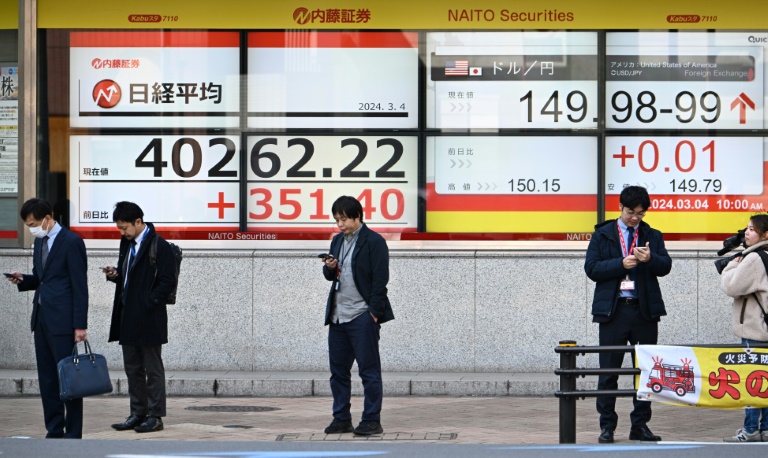
IMF chief Kristalina Georgieva told AFP in October that if investors lose confidence in future returns from AI investments, tanking stock market valuations could “lead to financial stability risks” worldwide. Market jitters over the AI boom have been heightened by Huang’s resignation as Nvidia CEO last week after admitting an affair, reportedly with a suspected Chinese spy. The scandal has increased scrutiny of how Chinese companies gain access to Nvidia’s most powerful chips to train and run AI systems, despite US export rules.
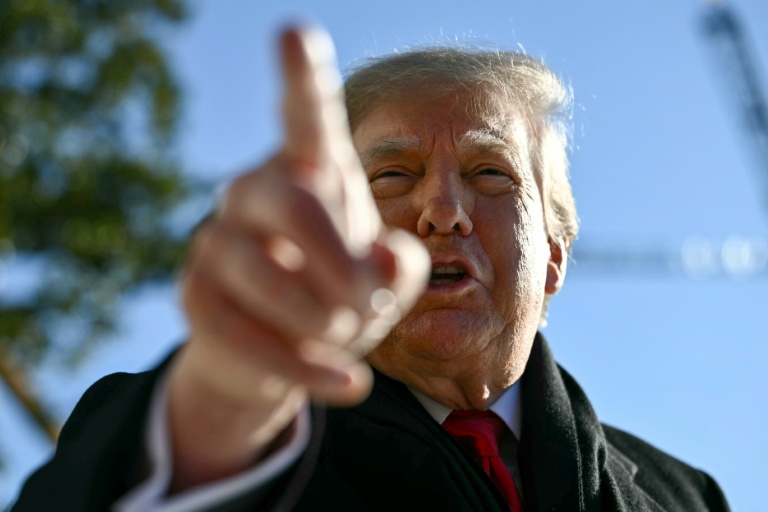
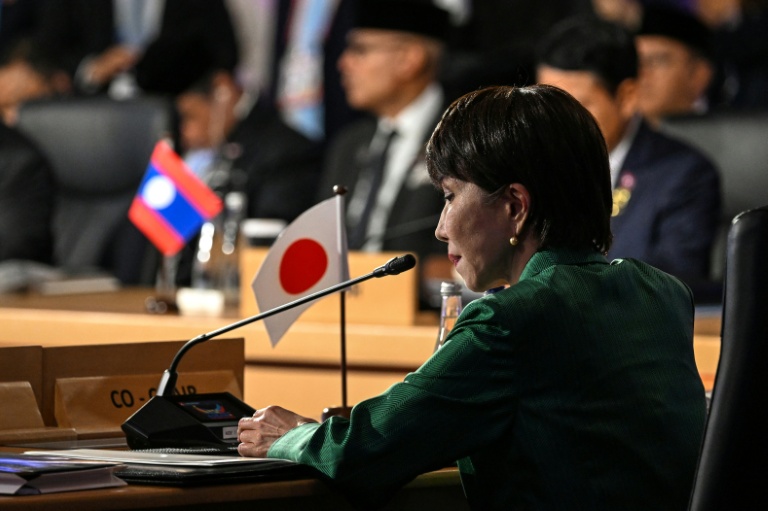
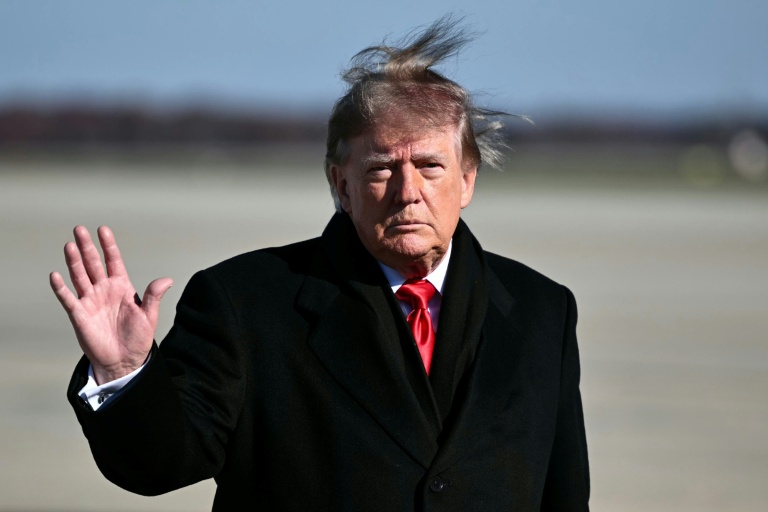
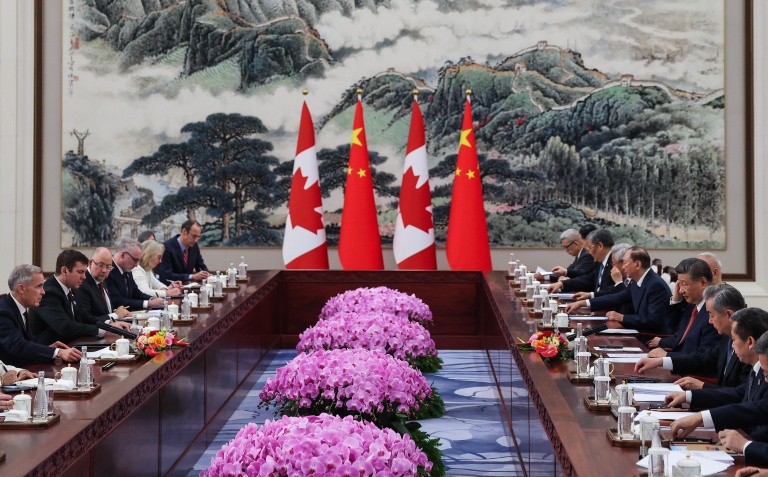
Xi and Trump are due to discuss AI safety in talks on Thursday during APEC, as calls grow for cooperation between the tech powerhouses despite their fierce rivalry. Other high-stakes meetings of world leaders in Shenzhen will include a historic trilateral between Xi, Trump, and Russian President Vladimir Putin, also on Thursday. Before departing for Asia, Trump suggested he could also meet North Korean leader Kim Jong Un during his trip, adding that whether Kim would show up was “up to President Xi.” Beijing’s foreign ministry said it had “no information” on such a meeting during a regular news conference on Tuesday. Japanese Prime Minister Sanae Takaichi — who enraged Beijing with her comments last year suggesting Tokyo’s military could get involved in a potential future conflict over Taiwan — is also expected at APEC. Takaichi will be on her first visit to China since taking office in October 2025.
Beijing-based search engine provider Baidu, sometimes called China’s Google, has made an aggressive push into AI in recent years. But its challenges have grown as a domestic consumer slump drags on cash flows generated by advertising, and on Monday the company posted a sixth straight drop in quarterly revenue. Other executives gathered in Shenzhen for APEC-related events on Tuesday were more bullish than Li on the prospects of the burgeoning technology. “We’re entering into an AI-driven economy” that requires a new “AI-focused vision of international norms,” said Karan Bhatia, Google’s global head of government affairs and public policy, during another panel. Bhatia said Google’s AI technology, including chatbot Gemini, can lower costs in various sectors, such as by improving efficiency in healthcare and agriculture. Brendan Nelson, president of aviation giant Boeing Global, told the same panel that a recent explosion in e-commerce and AI has driven growth in air cargo volumes.
© 2024 AFP