

Abuja (AFP) – Richard Ali grew up with the aroma of coffee wafting through his house in central Nigeria as his father, an accountant, worked late into the night, drinking powdered, instant stuff from Maxwell House and Nescafe. It was not until years later, travelling on the other side of the continent, that Ali had a taste of “coffee, coffee — brewed coffee.” “I have to bring this to Nigeria,” he thought, and he started looking into importing beans from Rwanda. Ali later discovered he did not have to: coffee has been growing in Nigeria for more than 100 years.
A wave of entrepreneurs in Africa’s most populous country are turning towards the oil-producing nation’s other black gold — an uphill task in a place full of tea and instant coffee, and little sense of homegrown java as a daily staple or part of a wider cultural patrimony. But roasters say they have found a market — and sense of national pride — to tap into, even if Nigeria’s beans are not well-known. “We need to grow more coffee, whether for the domestic market, which is expanding, or the global market, which is now considering Nigerian coffee,” Ali, founder of Tigray Coffee, which launched in 2021, told AFP over a cup of Nigerian brew, light with slightly chocolatey notes.
– Agricultural investments –
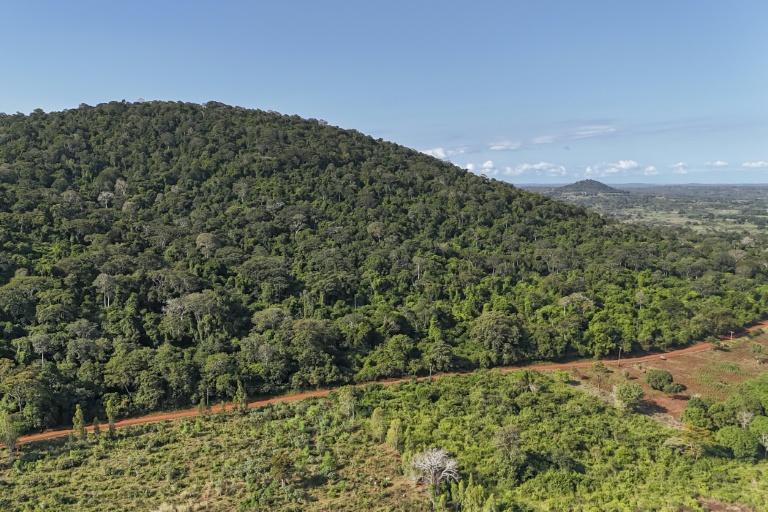
In Ethiopia, hundreds of years of cultivation have bound coffee to local culture, while Uganda and Ivory Coast have become modern export powerhouses. Nigeria produced 1,808 tonnes of beans in 2024, according to statistics from the UN’s Food and Agriculture Organization — a paltry sum compared to Kenya’s 49,500 tonnes that same year. The first seeds hit the ground in Nigeria in the 19th century, after coffee was introduced by British colonists. The crop is notoriously fickle and can only grow in certain parts of the country. But there has also been a dearth of investment in agriculture, critics say, as the government instead became over-reliant on the oil sector for revenues. Experts have long called for a more diversified economy. The government agrees, at least in principle: in May, agriculture minister Abubakar Kyari announced federal investments in coffee production in Ondo state, calling it “a powerful economic crop” that could create jobs and “boost rural livelihoods.”
– ‘Never imported coffee’ –
At the opening of a new cafe in Lagos last month, Princess Adeyinka Tekenah paired a local brew not with croissants, but puff-puff, a staple street food snack of fried dough. “I have been in the business for 12 years and I have never imported coffee,” the founder of Happy Coffee told AFP. While Tekenah has leaned into her local roots, the coffee industry has also been helped by a growing sense of cosmopolitanism in Nigeria’s cities, Ali said. Hip cafes abound in the ritzy parts of Abuja, serving coffee sourced from around the world. There is growing demand for “the cafe experience,” though not Nigerian coffee specifically, Ali cautioned — requiring efforts by domestic marketers “to situate Nigerian coffee within the larger specialty coffee conversation.” Nigerian coffee culture is “non-existent, actually, which makes it quite exciting,” said Nnenna Samuila, founder of the Everything But Coffee brand. “We can make it how we want,” Samuila, who went into business three years ago, told AFP. In many cases, weak local production — hampered further by poor infrastructure and insecurity — cannot keep up: Samuila buys her coffee from neighbouring Cameroon as well as Ethiopia and Kenya. The Cameroonian coffee may well be Nigerian anyhow: farmers are known to smuggle beans across the border when prices there rise, Ali said.
– Frontier market –
Domestic economic headwinds and shifting regulations abroad are providing more challenges. Economic reforms by President Bola Tinubu since 2023 have been hailed as long overdue by investors — but have also been likened to shock therapy, sending the country into a cost-of-living crisis. Meanwhile, Ali needs to help his suppliers — smallholders, many farming informally held family plots — document their land in order to comply with European anti-deforestation regulations. Failure to do so could lock him out of his nascent European export market at a time when middle class Nigerians, squeezed by inflation, have less money to spend on a mug of mud. If investors see Nigeria as a frontier market, Ali considers local brew “a frontier origin coffee.” “Everybody has heard of Brazilian, Colombian, Ethiopian,” he said. “Why do we have to import coffee from wherever, when we have it here?”
© 2024 AFP