
EconomyLens.com
No Result
View All Result
Tuesday, October 13, 2026
  • Home
  • Economy
  • Business
  • Markets
  • Tech
  • Editorials
EconomyLens.com
  • Home
  • Economy
  • Business
  • Markets
  • Tech
  • Editorials
No Result
View All Result
EconomyLens.com
No Result
View All Result
Home Economy

EU parliament votes forced labour ban with China in its sights

David Peterson by David Peterson
April 23, 2024
in Economy
Reading Time: 7 mins read
A A
2
28
SHARES
354
VIEWS
Share on FacebookShare on Twitter

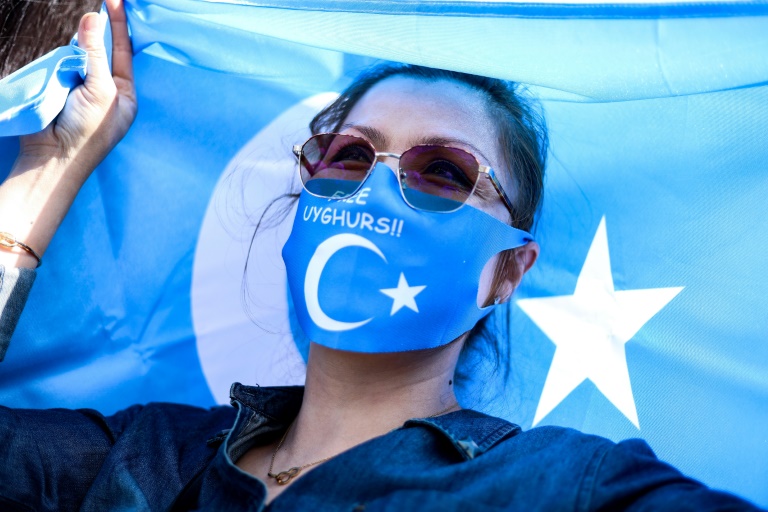
Many EU lawmakers hope the law will be used to block imports from China involving the region where the Uyghur Muslim minority lives. ©AFP

Strasbourg (France) (AFP) – EU lawmakers voted on Tuesday to ban products made using forced labour which supporters hope will be used to block goods from China, at the risk of raising tensions with Beijing.

Related

France budget debate faces rocky start as Socialists vow to fight

IMF upgrades 2026 growth forecast but warns of ‘split’ outlook

‘No choice’: IMF says developing countries must cut spending despite war shock

IMF upgrades 2026 growth forecast but warns of ‘split’ outlook

Policymakers take on energy shock, rising debt at IMF-World Bank meetings

The law does not directly mention China, but many lawmakers hope it will be used to block imports from China involving the region where the Uyghur Muslim minority lives.

Human rights groups say at least one million people, mostly members of Muslim minorities, have been detained in China’s northwestern Xinjiang region and face a series of abuses, including forced sterilisation of women and coerced labour.

The legislation, backed in a vote by 555 EU lawmakers, with six against and 45 abstaining, will become law following final approval by the EU’s 27 member states.

The EU has deployed an array of trade tools against China, including anti-subsidy investigations into Chinese state support for green tech such as solar panels.

The latest law seeks to eradicate forced labour from European markets.

Under the rules, EU states can remove products found to have been made using forced labour as well as goods made in the bloc comprising material made abroad using forced labour.

“This regulation is groundbreaking and it’s unique. It’s inclusive, broad, and together with several other regulations and directives… (it’s) a real game changer,” Dutch lawmaker Samira Rafaela, who pushed the text through parliament, said.

“Companies, industries, whole sectors and their respective contractors will need to make a serious effort to ensure their conduct is sustainable and ethical, respecting human rights throughout their entire supply chain,” she told reporters after the vote.

Some 27.6 million people were engaged in forced labour in 2021, including around 3.3 million children, according to the International Labour Organization.

– Power to seize goods –

The new rules give the European Commission the power to launch investigations when there are suspicions about the supply chains in countries outside the EU.

If the use of forced labour is proved, officials will seize the products at the borders and order their withdrawal from the European market and online retailers.

If the risk is in one member state, the local authority in that country will investigate the products allegedly made using forced labour.

For some goods deemed to be at risk, importers will be forced to provide detailed information on the manufacturers. The EU will also create a regularly updated database about forced labour risks that will include international reports to aid the commission and national bodies in assessing possible violations of the law.

Critics have pointed out that the law does not go as far as one adopted by Washington.

The United States in 2021 banned the importation of products from Xinjiang unless businesses could prove their production did not involve forced labour.

Maria Manuel Leitao Marques, another EU lawmaker who spearheaded the law through parliament, pointed to the concerns about products in Europe made by Uyghurs.

“It could be that what you are using today or consuming today, such as cotton might not come from Turkmenistan, but from China, where the Uyghurs are being forced to work, where they’re the victims of forced labour,” she said during a debate on Monday.

© 2024 AFP
Tags: ChinaEUhuman rights
Share11Tweet7Share2Pin3Send
Previous Post

Spotify shares soar as company swings to profit

Next Post

General Motors lifts 2024 profit forecast after strong Q1

David Peterson

David Peterson

Related Posts

Economy

Zelensky surprised, Moscow mum as Trump announces energy ceasefire

October 11, 2026
Economy

Trump says Russia and Ukraine agree to ‘energy ceasefire’

October 11, 2026
Economy

Ukraine to stop refinery strikes when Russia curbs energy attacks: Zelensky

October 11, 2026
Economy

South Korea completes trial of Arctic shipping route

October 12, 2026
Economy

Zelensky blasts diesel deal as Russian strikes kill 16

October 10, 2026
Economy

China agrees to ‘moderate’ car exports to Europe: EU commerce chief

October 9, 2026
Next Post

General Motors lifts 2024 profit forecast after strong Q1

New US home sales pick up in March

Milei announces Argentina's first budget surplus in 16 years

French police union threatens to disrupt Olympics relay

0 0 votes
Article Rating
Subscribe
Notify of
guest
guest
2 Comments
Oldest
Newest Most Voted
  • Trending
  • Comments
  • Latest

New York ruling deals Trump business a major blow

September 30, 2024

Elon Musk’s X fights Australian watchdog over church stabbing posts

April 21, 2024

Women journalists bear the brunt of cyberbullying

April 22, 2024

France probes TotalEnergies over 2021 Mozambique attack

May 6, 2024

New York ruling deals Trump business a major blow

104

Ghanaian finance ministry warns against fallout from anti-LGBTQ law

74

Shady bleaching jabs fuel health fears, scams in W. Africa

71

Stock markets waver, oil prices edge up

65

EU economy chief doubtful Russian diesel exports will affect prices

October 13, 2026

Tech stocks slump on AI jitters; oil falls

October 13, 2026

IMF upgrades 2026 growth forecast but warns of ‘split’ outlook

October 13, 2026

‘No choice’: IMF says developing countries must cut spending despite war shock

October 12, 2026
EconomyLens Logo

We bring the world economy to you. Get the latest news and insights on the global economy, from trade and finance to technology and innovation.

Your Privacy Choices

Pages

  • Home
  • About Us
  • Privacy Policy
  • Contact Us

Categories

  • Business
  • Economy
  • Markets
  • Tech
  • Editorials

Network

  • Coolinarco.com
  • CasualSelf.com
  • Fit.CasualSelf.com
  • Sport.CasualSelf.com
  • SportBeep.com
  • MachinaSphere.com
  • MagnifyPost.com
  • TodayAiNews.com
  • VideosArena.com
© 2026 EconomyLens.com - Top economic news from around the world.
No Result
View All Result
  • Home
  • Economy
  • Business
  • Markets
  • Tech
  • Editorials

© 2024 EconomyLens.com - Top economic news from around the world.