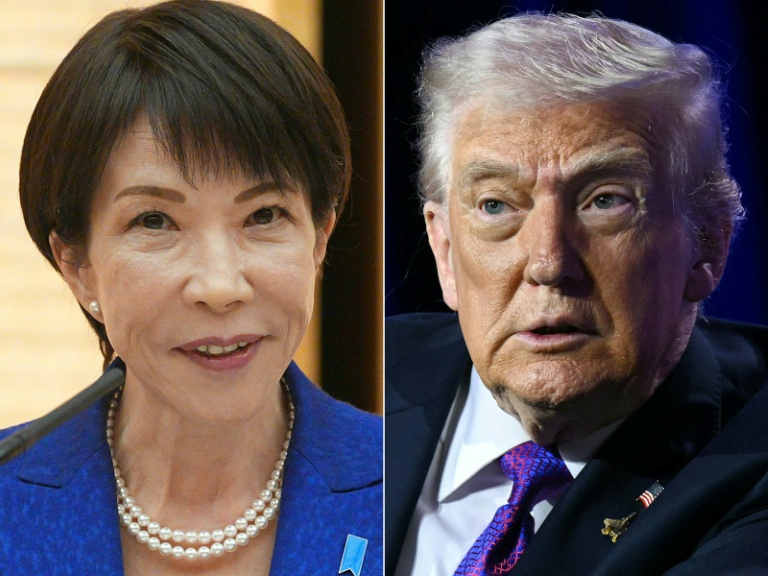

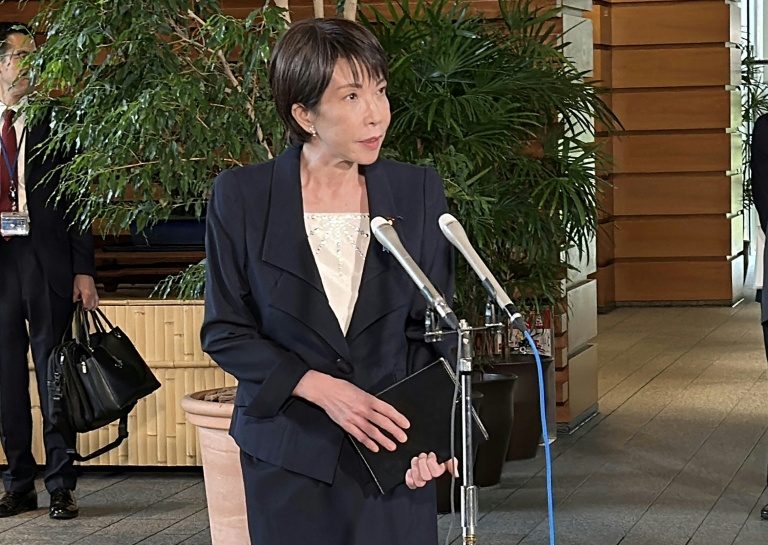
Tokyo (AFP) – Japanese inflation accelerated last month, official data showed Friday, ahead of a maiden policy speech by new Prime Minister Sakae Takaichi, who has promised to ease pressure on households. Takaichi’s predecessor, Shigeru Ishiba, survived barely a year in office, with voters hammering the ruling party in elections partly because of rising prices.
After becoming Japan’s first woman prime minister on Tuesday, Takaichi stated that the cost-of-living squeeze was a priority and instructed her cabinet to draw up measures to address it. The figures released on Friday showed that the consumer price index jumped to 2.9 percent in September from 2.7 percent in the previous month. However, without volatile fresh fruit and energy prices, the reading eased to 3.0 percent from 3.3 percent.
A particular cause of voter anger over the past year has been the skyrocketing prices for rice, which were linked to a very hot summer in 2023 and panic-buying following a “megaquake” warning last year, among other factors. Prices for the staple in September climbed 48.6 percent year-on-year, though the rate has eased from recent months, having hit around 100 percent in June.
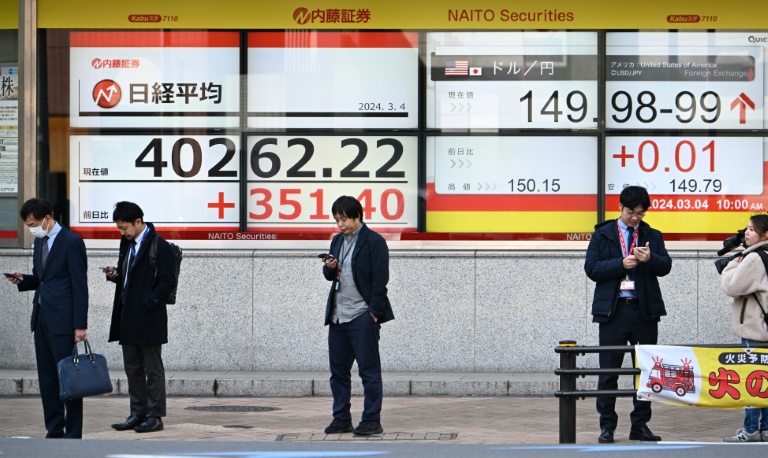
Takaichi has long advocated for more government spending and easy monetary policy to spur growth, and her appointment has boosted stocks to record highs. Since taking office, however, she has stated that monetary policy decisions would be left to the Bank of Japan (BoJ). In her policy speech, she will reportedly say that her government will have a “responsible and proactive fiscal policy.”
The BoJ has been “normalising” its super-easy monetary policy, and inflation has been above target for some time, increasing the prospects for hiking interest rates further. “Overall, the big picture continues to be that price pressures appear to be reasonably firm,” said Abhijit Surya at Capital Economics. However, the BoJ remains “concerned about the impact of US tariffs on the Japanese economy and the potential for negative spillovers to corporate profits and wage growth,” Surya stated, predicting a rate hike in January.
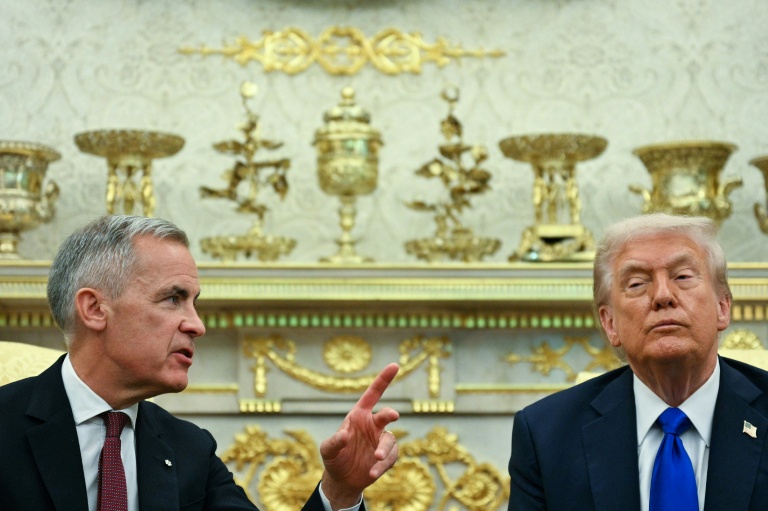
Takaichi is expected to say in her speech that the target of spending two percent of gross domestic product on defence will be brought forward by two years, according to media reports. US President Donald Trump, who wants Tokyo—along with other allies—to boost their military spending, is due to visit Japan next week. Tokyo’s previous target was to spend two percent of GDP on defence in the 2027-28 fiscal year, but Takaichi wants this achieved in the current tax year, reports said.
Additionally, Takaichi is expected to convey that China is “an important neighbouring country, and it is necessary to build a constructive and stable relationship” with Beijing. However, she will also express that “there are concerns regarding security and economic security.” She will point out that Japan needs foreign workers but that “illegal acts and deviations from the rules by some foreign nationals have resulted in a sense of anxiety and unfairness.”
“While drawing a clear line from xenophobia, we will take a firm stand against such acts,” she will say, according to the reports. The populist Sanseito party, which calls immigration a “silent invasion,” has been gaining support in recent elections. A new poll published Thursday by the Yomiuri Shimbun daily put support for Takaichi at 71 percent, marking the fifth-highest approval rating for a new cabinet since 1978.
© 2024 AFP