
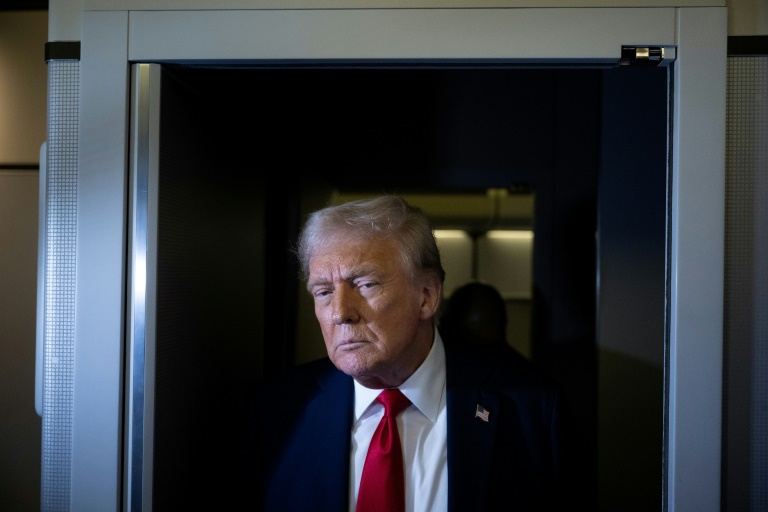
Washington (AFP) – US President Donald Trump has made tariffs a cornerstone of his trade policy, insisting that they will revive American manufacturing while swelling government coffers. Critics argue that the levies will boost inflation in the near term and weigh on growth, triggering a trade war that could inflict serious damage on the United States and the wider global economy. Trump has imposed tariffs on major trading partners Canada, Mexico, and China since returning to the presidency while slapping fresh duties on steel and aluminum imports, with more to come on what he dubbed “Liberation Day” this Wednesday.
– **What are tariffs?**
Tariffs are fees that importing businesses pay for their purchases of foreign goods. When tariffs are imposed, companies must choose between forking out more for foreign goods — and potentially passing those costs on to consumers — or looking for alternatives. The levies bring in revenue for governments imposing them and are commonly used to protect local companies and workers from competition abroad. The charges can make domestic goods more cost-competitive, encouraging buyers to select local producers instead.
– **Arguments for**
Trump’s position is that with tariffs on key imports, companies will move more manufacturing to the United States — or buy US-made products — to avoid additional fees. A commonly-used example is the “chicken tax” of the 1960s, when president Lyndon Johnson pushed back against European tariffs on American poultry with a levy on imported trucks. Today, a 25 percent US tariff remains on light trucks, and this is a key reason that most pick-up trucks sold in the country are built in North America. The White House says new tariffs could also bring in more than $6 trillion in federal revenue over the next decade — about $600 billion per year — although it has yet to release its full plans. While US-based companies generally pay the tariffs, White House officials have argued that foreign sellers would absorb the hike by lowering their prices as they seek to do business with the world’s biggest economy. Supporters of Trump’s trade policy also say that tariffs did not cause widespread inflation during his first White House term.
– **Arguments against**
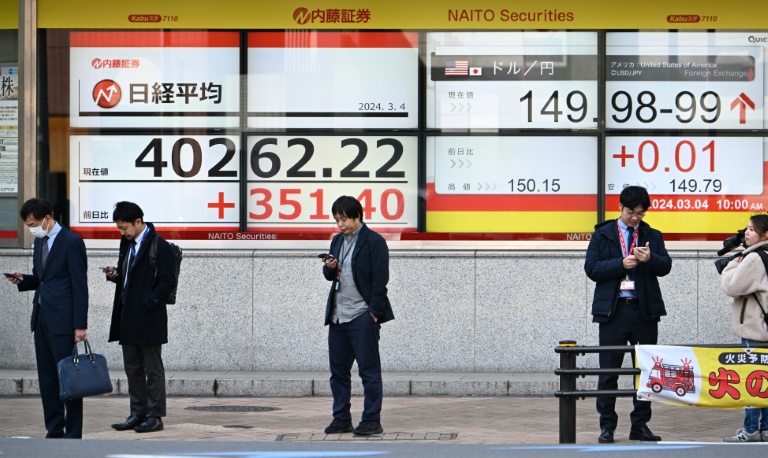
But economists warn that tariff hikes can bring economic pain to affected sectors, and Trump’s stop-start approach to announcing levies has sent financial markets tumbling. If companies are unable to absorb additional fees and foreign sellers decline to lower their prices, the burden of tariffs could flow to other firms or consumers. Trump’s 25 percent tariffs on autos and parts could cause the price of a typical car to surge by $5,000 to $10,000, said Wedbush analysts. Even US automakers producing cars in the country use up to 50 percent of foreign auto parts, they said. “It would take three years to move 10 percent of the auto supply chain to the US and cost hundreds of billions with much complexity and disruption,” Wedbush added. Nationwide chief economist Kathy Bostjancic estimates that recent tariffs on Chinese goods, alongside steel and aluminum imports, would raise construction material prices by up to nine percent. Prices of appliances could also surge up to 15 percent, she said. Trump’s tariffs attract retaliation too, and countermeasures triggered more than $27 billion in US agricultural export losses from mid-2018 to late-2019. The Tax Foundation said: “Based on actual revenue collections data, trade war tariffs have directly increased tax collections by $200 to $300 annually per US household, on average.” These estimates do not account for “lower incomes as tariffs shrink output, nor the loss in consumer choice” as buyers seek tariff-free alternatives, it added.
© 2024 AFP