
Belgrade (AFP) – The fallout from the shutdown of Serbia’s only oil refinery could last years, experts told AFP, putting thousands of jobs and the state’s budget at risk — as well as exposing the country to further sanctions. The Petroleum Industry of Serbia’s (NIS) refinery has been unable to receive crude oil since October 9 after its Russian majority owners were swept up in US sanctions over Moscow’s invasion of Ukraine. Washington is demanding a complete exit of Russian shareholders, but talks over its potential sale have dragged on, forcing the company to shut the refinery on Tuesday.
“Any reduction in its activity would have a substantial impact on overall economic activity,” Dejan Soskic, an economics professor and former central bank governor, told AFP. The closure could shrink economic growth for years, he warned. The loss of the refinery, which provided 80 percent of Serbia’s fuel needs, also means a massive increase in imports to fill the gap. Hungarian energy firm MOL agreed last month to increase oil shipments to Serbia, but experts have warned that relying on fuel imports is costly and unfeasible in the long term.
– ‘Complete destruction’ – Serbian President Aleksandar Vucic said the company could continue accessing the country’s payment systems until at least the end of the week to pay wages and settle with suppliers. Beyond this period, the situation is less clear. He said that dealing with the sanctioned company risked “complete destruction of Serbia’s financial system” if Washington also sanctioned the central bank. Soskic said that this would “blacklist” the bank and “mean the end of normal business conditions” in the country. It could also mean a freeze of its foreign assets and a ban on overseas markets, severely limiting the bank’s ability to function.
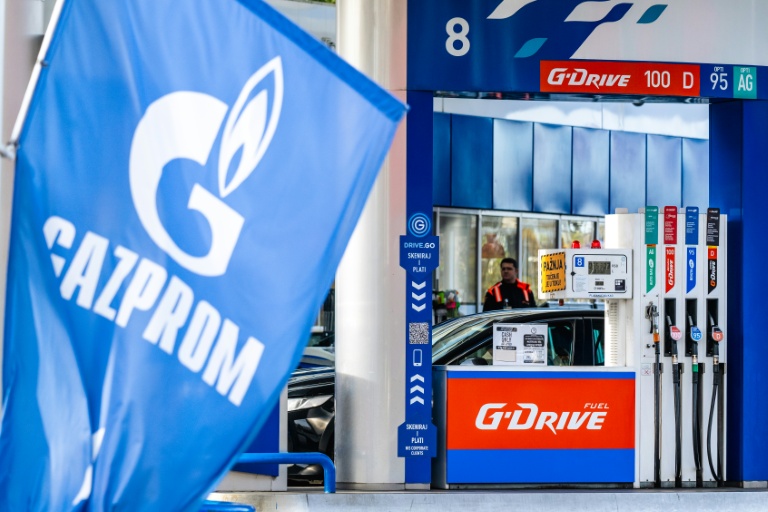
NIS and its affiliates contributed more than two billion euros ($2.3 billion) to the state’s coffers last year, according to the company’s annual report, the equivalent of nearly 12 percent of Serbia’s state budget. Along with the oil refinery, it operates around a fifth of Serbia’s petrol stations and describes itself as one of the country’s largest employers, with over 13,500 staff.
– Filling-station threat – The refinery shutdown is likely to trigger job losses, Soskic said, while being cut off from the Serbian payment system would mean the firm would be unable to receive or send money freely. In a reprieve for Serbia, the US government said Thursday that it suspended part of the sanctions against Russia’s Lukoil, allowing its filling stations outside of Russia to continue operating until April 2026. Lukoil operates 112 of the roughly 1,500 petrol stations in Serbia. Vucic welcomed the news of the US move, having repeatedly said that state stockpiles would last for months and that consumers would not have seen shortages if the stations had been forced to shut.
– Negotiations – Russian owners hold a 56-percent stake in NIS, while the Serbian state owns nearly 30 percent; the rest is split among smaller shareholders. Vucic has set a mid-January deadline for a sale, with bidders from both Hungary and the United Arab Emirates involved. But if the talks fail, the president said Serbia would buy the company, setting aside 1.4 billion euros ($1.6 billion) in the budget for the move. Belgrade sold a controlling stake in NIS to Russian energy giant Gazprom in 2008 for 400 million euros ($467 million). Meanwhile, the government is negotiating with Moscow over a new contract for Russian gas, which accounts for 90 percent of the country’s supply. Vucic said Thursday he expects an agreement shortly, saying: “We will have no supply problems for gas through to the summer.”
© 2024 AFP