

Los Angeles (United States) (AFP) – Jurors will return to court here on Thursday to continue deliberations in a civil trial accusing Meta and YouTube of harmfully hooking young internet users. Since jury deliberations began on March 13, the jury sent questions to the judge related to the plaintiff’s family troubles as well as how much she actually used Meta-owned Instagram as a child.
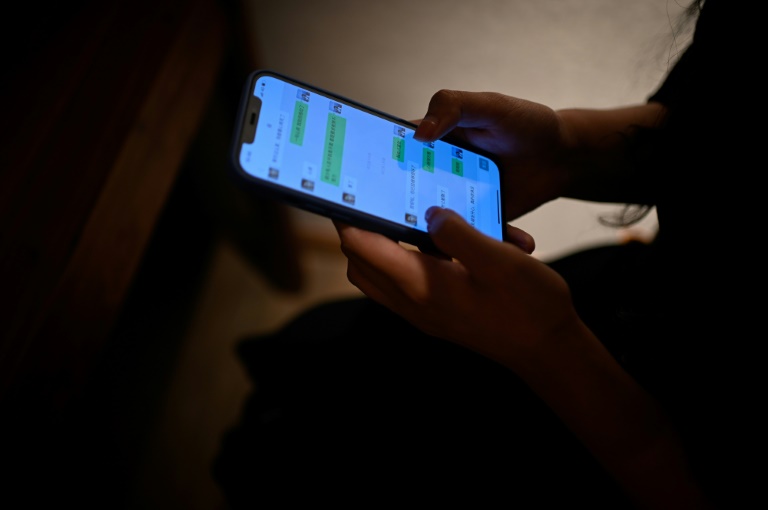
The verdict could turn on the question of whether family and other real-world trauma, or YouTube and Meta apps such as Instagram, were to blame for the mental woes of the woman who filed the suit. A 20-year-old California woman identified as Kaley G. testified at trial that YouTube and Instagram fueled her depression and suicidal thoughts as a child, telling jurors that she became obsessed with social media, starting with YouTube videos, when she was six.
Under cross-examination, however, Kaley also talked about feeling neglected, berated, and picked on by family members. A jury form given to jurors asks the panel to decide whether Meta or YouTube should have known their services posed a danger to children or if they were negligent in design. If so, jurors are to decide if Meta or YouTube were “substantial factors” in causing Kaley’s woes and how much they should pay in damages.
The lawsuit is one of hundreds accusing social media firms of luring young users to become addicted to their content and potentially suffer from depression, eating disorders, psychiatric hospitalization, and even suicide. Internet titans have long shielded themselves with Section 230 of the US Communications Decency Act, which frees them of responsibility for what social media users post.
However, this case argues that the firms are responsible for defective products, with business models designed to hold people’s attention and to promote content that can harm their mental health. The outcome of the Los Angeles trial is expected to establish a precedent for resolving other lawsuits that blame social media for fueling an epidemic of mental and emotional trauma.
© 2024 AFP