
Paris (France) (AFP) – Countries are tapping into oil inventories and strategic reserves at a “record pace” due to the “unprecedented” supply disruptions caused by the Middle East war, the International Energy Agency said Wednesday. Global stocks were drawn down by a further 117 million barrels in April, the agency said, after a 129-million-barrel drawdown in March following the US and Israeli launch of attacks against Iran.
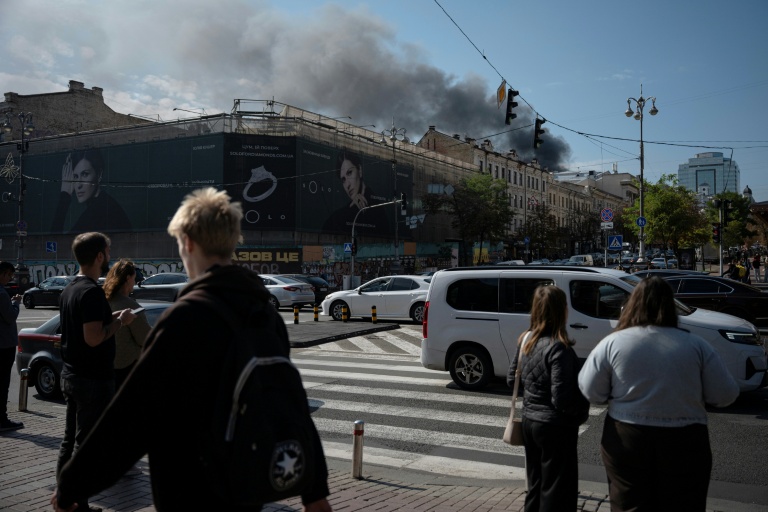
“Rapidly shrinking buffers amid continued disruptions may herald future price spikes ahead,” the IEA warned in its monthly report. Tehran has effectively closed the strategic Strait of Hormuz to Gulf oil and gas exports, sending prices soaring and forcing nations to scramble for alternative supplies. The IEA said in March that it would provide global markets with 400 million barrels from the emergency stocks of IEA members, of which around 164 million barrels have already been drawn.
“The pace of emergency stock releases picked up pace in April, with further volumes set to hit the market in the coming months,” the agency said. Fears of shortages are rising with the summer travel season approaching in the northern hemisphere, with airlines already warning of jet fuel shortages in a matter of weeks if supply disruptions persist. “With global oil inventories already drawing at a record clip, further price volatility appears likely ahead of the peak summer demand period,” the agency said.
– ‘Highly disturbing’ – The release of reserves has helped calm volatility on markets, but is only making up for part of the lost production and these reserves are dwindling. “Those of us who follow the oil situation did not need the IEA report to know we are losing a billion barrels of reserves and that we have less than half of that left before hitting the minimum operating levels,” said Adi Imsirovic, an energy industry expert at Oxford University. “It is highly disturbing,” he added.
Surging prices are also weighing on the demand outlook as end users such as petrochemical and heavy manufacturers reduce usage. The IEA now expects global demand to shrink by 2.4 million barrels per day in the second quarter, down from its forecast of 3.5 million barrels before the war erupted. “Higher prices, a deteriorating economic environment and demand-saving measures will further weigh on global oil consumption,” it said. Meanwhile, the OPEC oil cartel said it still believes demand will increase in 2026, by 1.2 million barrels per day.
© 2024 AFP