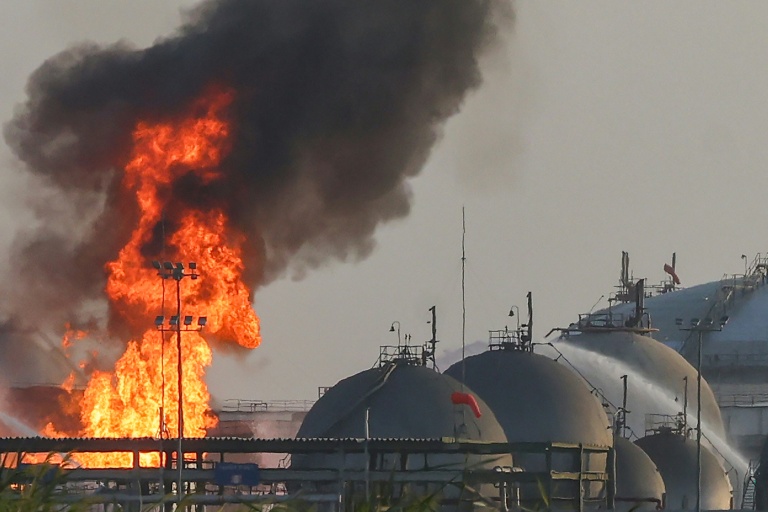

Bangkok (Thailand) (AFP) – International Monetary Fund head Kristalina Georgieva said Wednesday that recent attacks on Saudi Arabia could impact people “everywhere”, as conflict in the energy-rich region adds to wide-ranging economic concerns. A violent battle between a Saudi-led coalition and Yemen’s Houthis has erupted in recent days, with missile strikes on airports and energy facilities across the kingdom. The latest round of fighting was triggered by Houthi strikes on Riyadh’s international airport at the weekend that left 13 people dead and operations suspended in the worst attack since 2015.
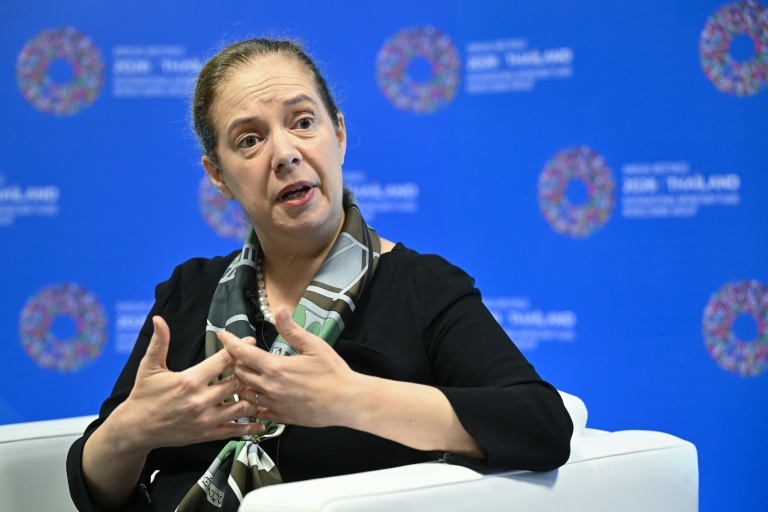
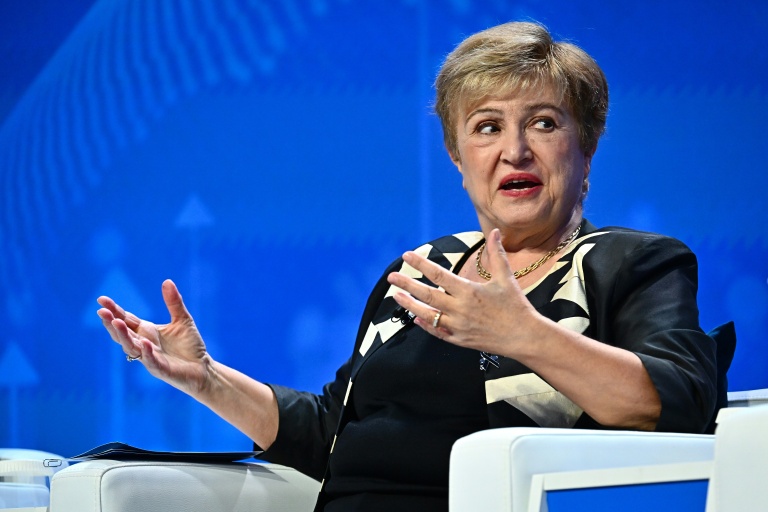
The escalation compounds fears about the impact of the Middle East crisis on global growth, with crude prices sent soaring since Iran effectively shut the crucial Strait of Hormuz after it was attacked by the US and Israel in February. “The Saudi economy is important for the region and the world,” IMF managing director Georgieva said at a news conference during the Annual Meetings of the Fund and World Bank in Bangkok. “In that sense, these developments have potentially negative spillovers for everybody, everywhere,” she said.
The warning comes as officials and experts gather in the Thai capital to discuss challenges facing the global economy, including higher energy costs and concerns about the sustainability of an artificial intelligence boom. Other hurdles include ballooning debt in advanced economies, with bond yields at multi-decade highs as pressure grows on central banks to hike interest rates to cool inflation. “What is our loudest call to policymakers right now? Make urgent repairs to the fiscal house before the cracks widen,” Georgieva said. “Now is the time to enhance revenues, to rationalise spending and improve public financial management.”
In its closely watched World Economic Outlook released on Tuesday, the IMF raised its 2026 global growth forecast by 0.1 percentage points to 3.1 percent. However, it warned that while new economic activity has been sparked by rising investment in AI, poorer countries are not benefiting as they deal with soaring energy costs. The global economy “remains resilient in the face of very frequent repetitive shocks and in the face of uncertainty,” Georgieva said. “But this resilience is reaching its limits.”
The IMF chief called for greater support for low-income countries to “strengthen their fundamentals so they can withstand shocks”. She noted that a global rise in interest rates had also caused debt servicing costs to increase from around six percent of government revenues a decade ago to 14 percent today. And in its Global Policy Agenda released on Wednesday, the Fund warned that debt servicing challenges had become particularly acute for “low-income and vulnerable economies”.
Georgieva said the IMF had been “ringing the alarm bell on excessive global economic imbalances growing”. “To put it very simply, China needs to spend more, the US has to save more and Europe has to invest more,” she added. Advanced economies have seen their debt-to-GDP ratios skyrocket since the Covid-19 pandemic and wars in Ukraine and the Middle East, with governments forced to increase spending to cushion the impact of those shocks.
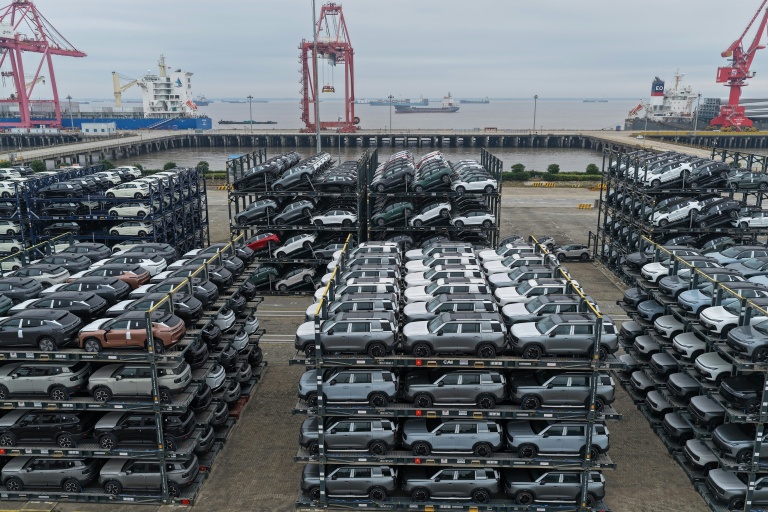
In China, a persistent slump in domestic demand has coincided with a historic surge in exports, accumulating trade surpluses that are becoming more and more politically problematic abroad. Addressing the issue of how to tackle spiking bond yields, Georgieva admitted “there is no magic”. “You have to go in a direction of tightening debt (and) bringing it down,” she said. “(The) message that we are sending to our members: fundamentals matter. Get your house in order; otherwise, your people, your businesses will pay a price.”
© 2024 AFP