
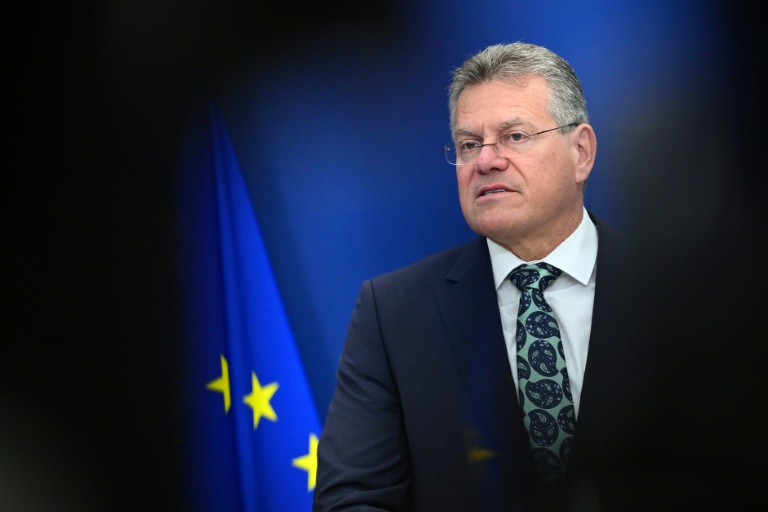
Beijing (AFP) – China and the European Union reached an “understanding” on hybrid vehicles on Friday, as their commerce chiefs concluded talks with an agreement to strengthen dialogue, dispelling fears of a full-blown trade war. The EU’s Maros Sefcovic and China’s Wang Wentao agreed both sides would adhere to “procedures concerning company price undertakings” of hybrid cars, Beijing’s commerce ministry said, citing a joint statement.
The critical automotive sector was a focal point in the lead-up to talks, as cheaper products coming from China have strangled European industry and Brussels has sought to manage those exports. In a move that will bring further relief to Brussels, Beijing also committed to continuing the supply of vital items such as rare earth minerals to the European Union. China is “willing…to continue facilitating the approval of export licenses for rare earths and permanent magnets destined for the EU”, the statement said.
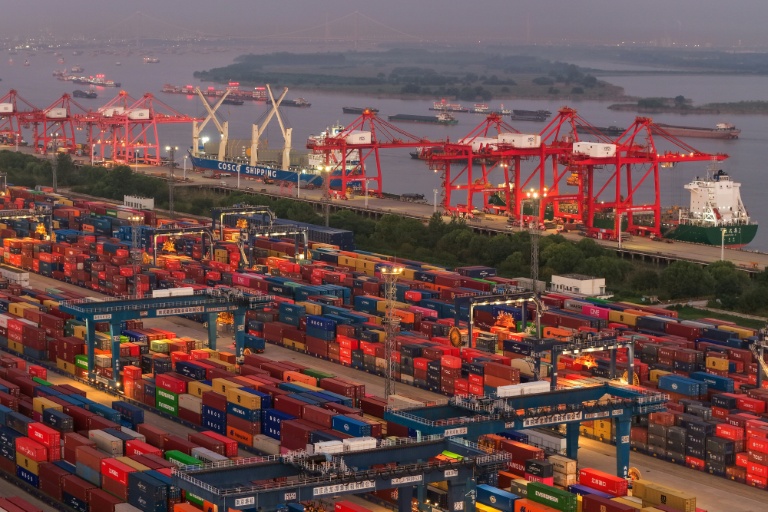
While they acknowledged “differences” between them, the two sides were committed to maintaining trade and to hold a further meeting in March. The talks follow months of rising tensions between the 27-nation EU and the Asian powerhouse that threatened to escalate into a trade war. Sefcovic had said it was “crucial” that the talks deliver “tangible outcomes”, after he met with Wang on Thursday. He said earlier in the day that the EU’s trade deficit with China, running at around one billion euros ($1.1 billion) every day, was “unsustainable”. Many in Europe accuse China of unfair trade practices, including supporting firms with huge subsidies, price dumping, and currency manipulation.
Europe can ill afford to anger Beijing, but the stakes are also high for China, which is heavily reliant on exports to compensate for its weak domestic economy. The EU parliament’s trade committee chief, Bernd Lange, said ahead of Sefcovic’s trip that this “economic crisis in China” gives the bloc “bargaining power”.
There is some “nervousness” during the talks among members of the European Union Chamber of Commerce in China, according to Adam Dunnett, the lobby’s secretary general. European companies with local operations “recognise the importance and the real issue of the outstanding trade imbalance”, Dunnett told AFP on Friday in Beijing. “They fully support that that needs to be addressed, but they want it to be done in a proportionate, specific, and negotiated way so that we can manage the overall relationship,” he said.
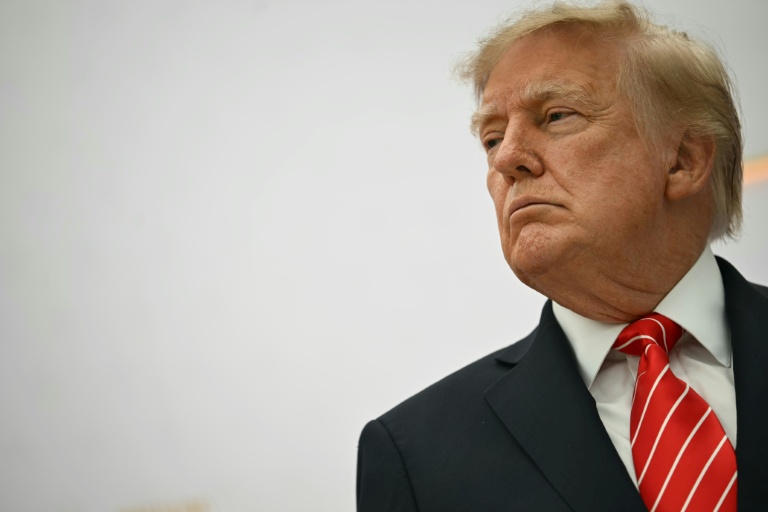
Beijing’s commitment to continue providing rare earths will bring some comfort to European companies in China, who face complicated access to the critical materials under new rules imposed by Beijing last year in retaliation against tariffs announced by US President Donald Trump. “Having a bit more transparency and predictability around that” is a key deliverable from this week’s talks, he said.
© 2024 AFP