
EconomyLens.com
No Result
View All Result
Tuesday, October 20, 2026
  • Home
  • Economy
  • Business
  • Markets
  • Tech
  • Editorials
EconomyLens.com
  • Home
  • Economy
  • Business
  • Markets
  • Tech
  • Editorials
No Result
View All Result
EconomyLens.com
No Result
View All Result
Home Economy

Inequality is major factor in impact of non-communicable diseases : WHO

Natalie Fisher by Natalie Fisher
October 20, 2026
in Economy
Reading Time: 5 mins read
A A
0
19
SHARES
235
VIEWS
Share on FacebookShare on Twitter

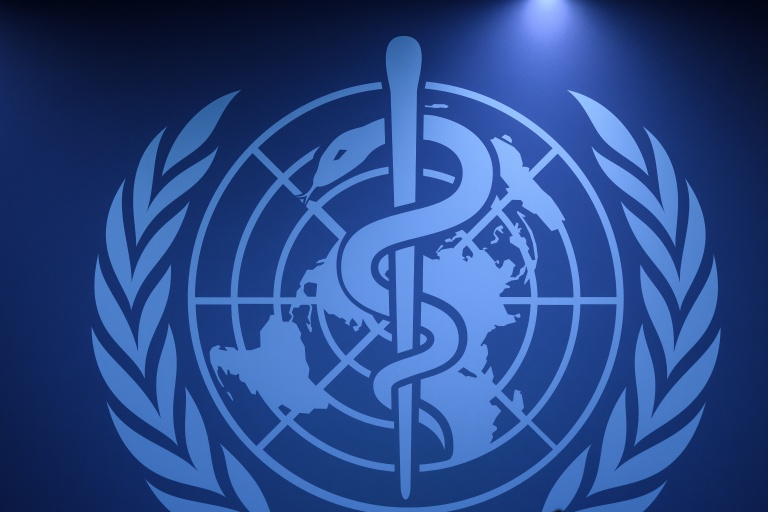
The WHO conducted its biggest-ever look at inequality in health and NCDs. ©AFP

Geneva (Switzerland) (AFP) – Non-communicable diseases account for three-quarters of deaths worldwide but affect different population groups in different ways, a World Health Organization study showed on Tuesday. In its biggest-ever look at inequality in health and non-communicable diseases (NCDs), the WHO studied the top four killers — cancer, cardiovascular diseases, chronic respiratory diseases, and diabetes. It also looked at the five main risk factors driving them — tobacco use, alcohol consumption, obesity, unhealthy diets, physical inactivity, and air pollution.

Related

Investors pledge 230 billion euros at German summit: Merz

Houthi attacks undermine Saudi Arabia’s economic ambitions

Those who profited from fund scandal ‘identified’: Turkish minister

Rubio says India diversifying oil, trade deal ‘very close’

An unhappy republic: France’s troubles extend beyond the street

The report then scanned this across differences in NCD burden, prevention, and care — by age, gender, economic status, education, place of residence, disability status, employment, and migration status. “This is the first effort to systematically measure inequalities in NCDs and their risk factors on a global scale,” said Ahmad Reza Hosseinpoor, who leads the WHO’s health inequality monitoring team. “The findings show which populations are being left behind.”

NCDs cover eight of the top 10 causes of death, with cardiovascular diseases the biggest killer by far, claiming almost 20 million deaths a year. The 10 years of national data, collected between 2013 and 2022, confirmed that socio-economic status influences health at every stage — from initial exposure to risk factors, through to diagnosis, treatment, and disease management.

For example, the report found that in low- and middle-income countries, less educated populations suffered higher rates of hypertension and diabetes. Cervical cancer screening rates are very low among the poorest and least-educated women, while tobacco use remains higher among less-educated men than among more educated men.

Looking at geographical factors, the study found that people in rural areas have significantly more limited access to hypertension diagnosis and cancer screening. Gender and age also play a role. Men with hypertension are diagnosed and treated less frequently than women, even though they consume more tobacco and alcohol. Conversely, obesity is more common among women, particularly in developing countries.

The study confirmed that social marginalization, disability, and migrant status were significant factors contributing to increased risk. The United Nations’ health agency urged governments to raise health-related taxes on tobacco, alcohol, and sugary drinks — measures that are particularly effective among low-income populations. Countries were also encouraged to tailor insurance schemes or subsidies for underserved communities and to incorporate inequality indicators into their national health systems.

© 2024 AFP

Tags: healthinequalitynon-communicable diseases
Share8Tweet5Share1Pin2Send
Previous Post

Meta says it complied with Brazil court order to treat candidates equally

Natalie Fisher

Natalie Fisher

Related Posts

Economy

France to impose new curfews where necessary: PM

October 20, 2026
Economy

Middle East fuel crunch drives solar push in tiny Fiji

October 19, 2026
Economy

US to auction deep sea mining leases off American Samoa

October 19, 2026
Economy

Ramaphosa tells South Africa to prepare for loss of US-Africa trade deal

October 19, 2026
Economy

China’s third-quarter growth narrowly beats forecasts

October 19, 2026
Economy

In a former US steel city, ordinary people struggle to get by

October 19, 2026
0 0 votes
Article Rating
Subscribe
Notify of
guest
guest
0 Comments
Oldest
Newest Most Voted
  • Trending
  • Comments
  • Latest

New York ruling deals Trump business a major blow

September 30, 2024

Elon Musk’s X fights Australian watchdog over church stabbing posts

April 21, 2024

Women journalists bear the brunt of cyberbullying

April 22, 2024

France probes TotalEnergies over 2021 Mozambique attack

May 6, 2024

New York ruling deals Trump business a major blow

104

Ghanaian finance ministry warns against fallout from anti-LGBTQ law

74

Shady bleaching jabs fuel health fears, scams in W. Africa

71

Stock markets waver, oil prices edge up

65

Investors pledge 230 billion euros at German summit: Merz

October 20, 2026

Houthi attacks undermine Saudi Arabia’s economic ambitions

October 20, 2026

Stock markets retreat as oil rises again

October 20, 2026

Solid GM results overshadowed by latest jump in commodity costs

October 20, 2026
EconomyLens Logo

We bring the world economy to you. Get the latest news and insights on the global economy, from trade and finance to technology and innovation.

Your Privacy Choices

Pages

  • Home
  • About Us
  • Privacy Policy
  • Contact Us

Categories

  • Business
  • Economy
  • Markets
  • Tech
  • Editorials

Network

  • Coolinarco.com
  • CasualSelf.com
  • Fit.CasualSelf.com
  • Sport.CasualSelf.com
  • SportBeep.com
  • MachinaSphere.com
  • MagnifyPost.com
  • TodayAiNews.com
  • VideosArena.com
© 2026 EconomyLens.com - Top economic news from around the world.
No Result
View All Result
  • Home
  • Economy
  • Business
  • Markets
  • Tech
  • Editorials

© 2024 EconomyLens.com - Top economic news from around the world.