
Paris (France) (AFP) – Here are the latest economic events in the Middle East war on Wednesday:
Iraq resumes oil exports via Turkey
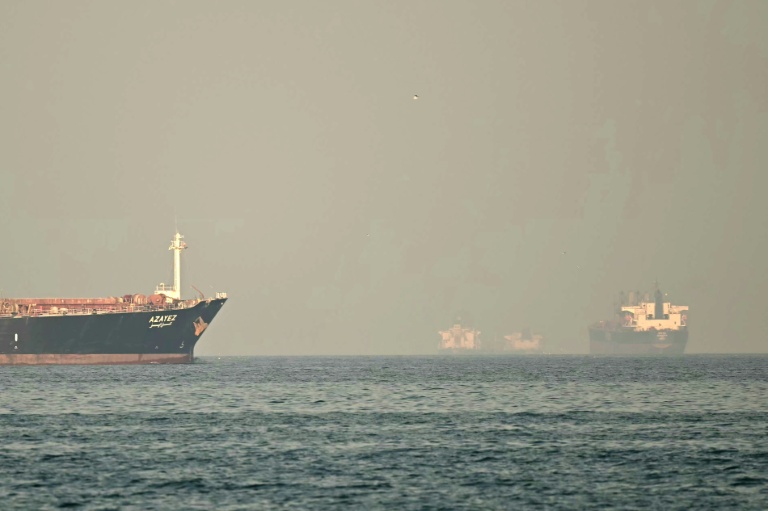
Iraq announced it had resumed limited oil exports through the Turkish port of Ceyhan, using a pipeline that avoids the effectively shut Strait of Hormuz. The state-owned North Oil Company said it was sending an initial 250,000 barrels a day from its fields in the northern Kirkuk province through the pipeline, well below the 3.5 million barrels a day it has shipped in normal times from its southern Basra fields via the Strait of Hormuz.
Oil prices dip
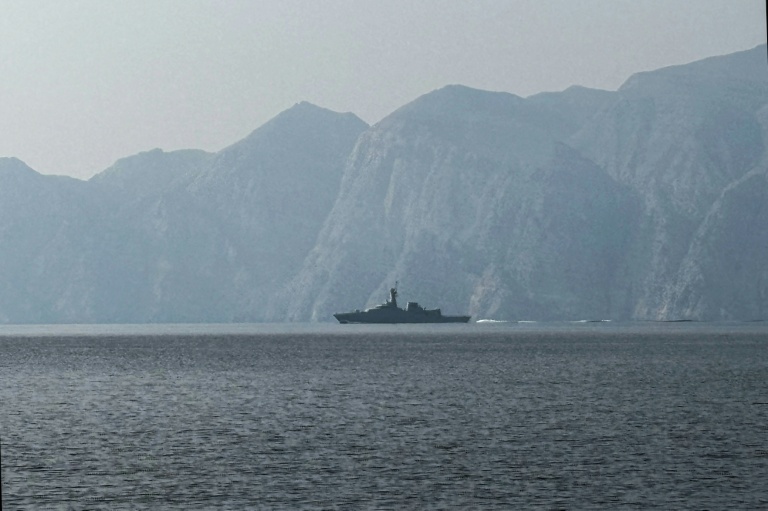
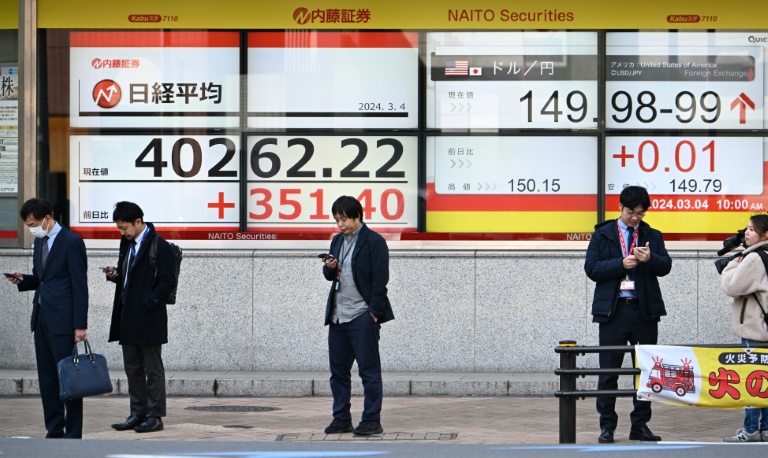
Oil prices fell following Iraq’s announcement. The WTI benchmark was down about 1.5 percent at $94.7 a barrel in volatile trading, even as the United States hit Iranian missile sites near the key Strait of Hormuz and Tehran struck back at crude-producing Gulf neighbors. Stocks rose in Asia and opened higher in Europe, also lifted by renewed interest in tech shares.
Japan, S. Korea petrochemical industry slows output
The Middle East war is forcing petrochemical giants in key Asian economies to cut production as the conflict rattles supplies of naphtha, a crucial oil-derived component used to make a range of plastic goods. Mitsubishi Chemical and Mitsui Chemicals have cut output, Shin-Etsu Chemical said it would raise prices, and LG Chem warned it may not be able to fulfill some orders.
Emergency shipping talks
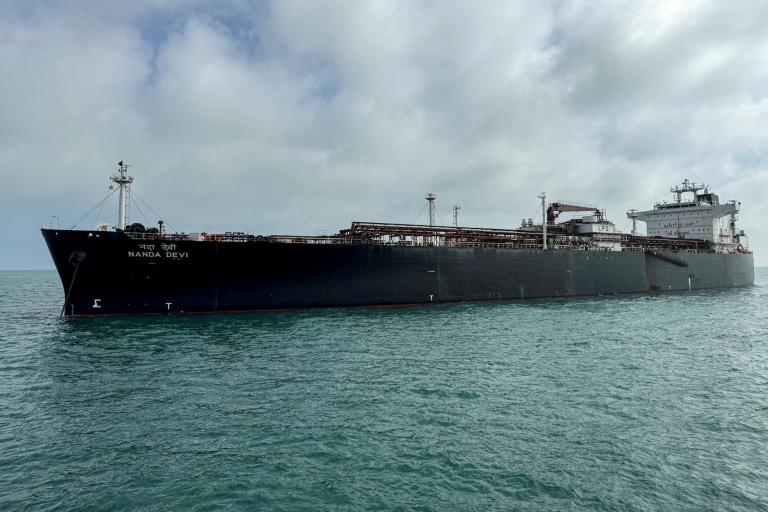
The International Maritime Organization will begin an “extraordinary session” on Wednesday to discuss shipping amid the war. The IMO’s 40-member council could vote Thursday on several proposed resolutions, including one to “establish a safe maritime corridor to allow the safe evacuation of seafarers and ships stranded in the Persian Gulf”. However, if passed, resolutions remain non-binding.
South Korea secures oil from UAE
South Korea said it would receive an additional 18 million barrels of oil from the United Arab Emirates through alternative supply channels, bypassing the need to use the Strait of Hormuz. The presidential chief of staff declined to elaborate on the route. About 70 percent of South Korea’s oil imports normally pass through the strait.
Fed kicks off series of central bank meetings
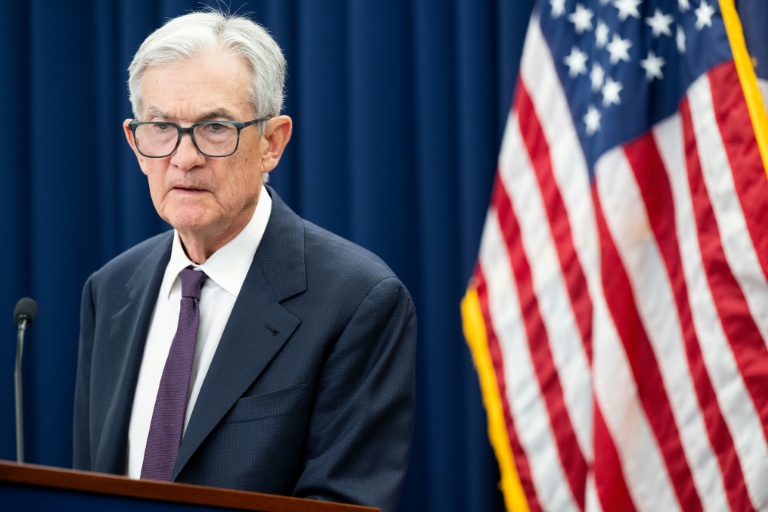
The US Federal Reserve later Wednesday kicks off a string of central bank meetings that will be closely watched for signs of how monetary authorities view the inflationary impact of higher oil prices. The Fed is not expected to touch its rates, even as signs grow of a weakening labor market. The European Central Bank and the Bank of England follow Thursday.
Sri Lanka asks EVs to unplug
Sri Lanka has urged electric vehicle owners to stop charging their cars at night, saying the surge in demand is forcing the country to burn more coal and diesel to keep the power grid running. Faced with an energy crisis driven by the war, Sri Lanka has begun rationing fuel and has also imposed a four-day working week starting Wednesday in a bid to reduce travel.
© 2024 AFP