
Paris (France) (AFP) – Here are the latest economic events in the Middle East war on Wednesday:
**Trump threatens Iran gas field**
US President Donald Trump threatened to destroy Iran’s key South Pars gas field if there were further attacks against Qatar’s main gas plant. Trump confirmed on his Truth Social platform that Israel had struck the South Pars field but said the US “knew nothing” of the attack, which spurred Iran to strike Qatar’s Ras Laffan facility. The South Pars/North Dome mega-field is the largest known gas reserve in the world and supplies around 70 percent of Iran’s domestic natural gas.
**Qatar gas hub strikes**
Iranian state television reported that a missile struck Qatar’s main gas plant, just hours after it was hit in a destructive attack. “Qatar’s Ras Laffan refinery hit by missile again, burning,” the state-run Islamic Republic of Iran Broadcasting posted on Telegram. Qatar’s state-run energy firm stated that the strikes on the gas hub impacted several of its Liquefied Natural Gas (LNG) facilities and caused “extensive” damage. Earlier Thursday, Qatar’s defense ministry mentioned that an Iranian missile attack caused damage at the gas hub.
**UAE closes gas facility**
Abu Dhabi has shut down operations at a gas facility due to falling debris from missile interceptions, the Emirati capital’s media office reported. “Abu Dhabi authorities are responding to incidents at the Habshan gas facilities and at the Bab (oil) field caused by falling debris from the successful interception of missiles,” it stated on X.
**Oil jumps after Iran facilities hit**
Oil prices surged following strikes against energy infrastructure in Iran and Qatar. West Texas Intermediate (WTI) rose 2.5 percent to $98.69 in Asian trade on Thursday, while Brent crude oil soared more than five percent to nearly $113 a barrel amid fresh worries about energy supplies.
**Fed raises inflation outlook**
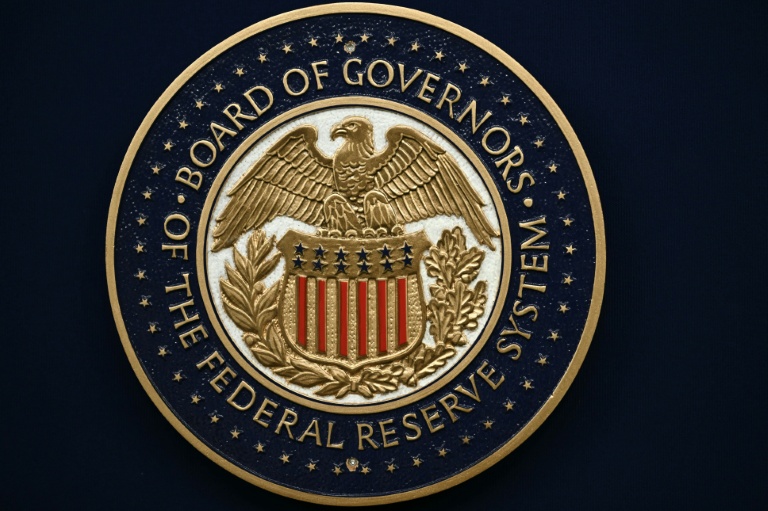
The US Federal Reserve raised its outlook for inflation while holding interest rates steady, citing an “uncertain” economic outlook due to the war in Iran. Fed Chair Jerome Powell remarked that he expected higher energy prices to boost inflation in the near term, although he added that further economic impacts remain uncertain. The European Central Bank and the Bank of England follow on Thursday.
**Iranian retaliation keeps oil market on edge**
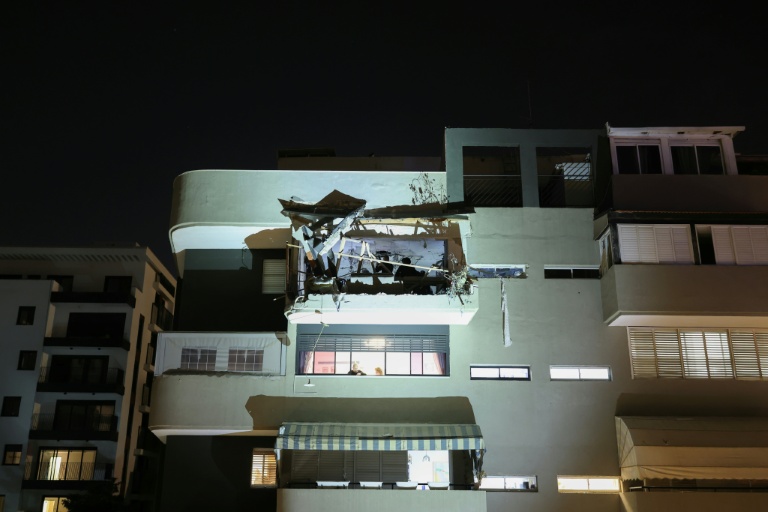
Iran launched attacks targeting oil and gas facilities around the Gulf. QatarEnergy announced that emergency teams had controlled a fire caused by an Iranian attack on the country’s main gas facility, which inflicted “extensive damage” at the site. Qatar later ordered Iran’s military and security attaches, along with their staff, to leave the country within 24 hours. Meanwhile, Saudi Arabia’s defense ministry reported that five drones approaching an energy facility were intercepted in the kingdom’s east, while Emirati air defense was countering an Iranian missile threat.
**Trump waives shipping law**
President Donald Trump temporarily waived a century-old shipping law to help ease energy costs that have surged since US-Israeli strikes on Iran plunged the Middle East into war. His move to issue a 60-day Jones Act waiver lifts the ban on foreign-flagged vessels transporting cargo between US ports during this period. Separately, the US Treasury Department issued a license to authorize certain transactions between established US entities and Venezuela’s state-owned oil company PDVSA.
**Italian govt acts to reduce fuel prices**
Italy adopted measures by decree to reduce fuel prices in the country, responding to spiking prices due to the war. “We are reducing the price of fuel by around 0.25 euros (28 US cents) per liter for everyone,” alongside a tax credit for truckers, Prime Minister Giorgia Meloni stated on social media.
**Iraq exports via Turkey**
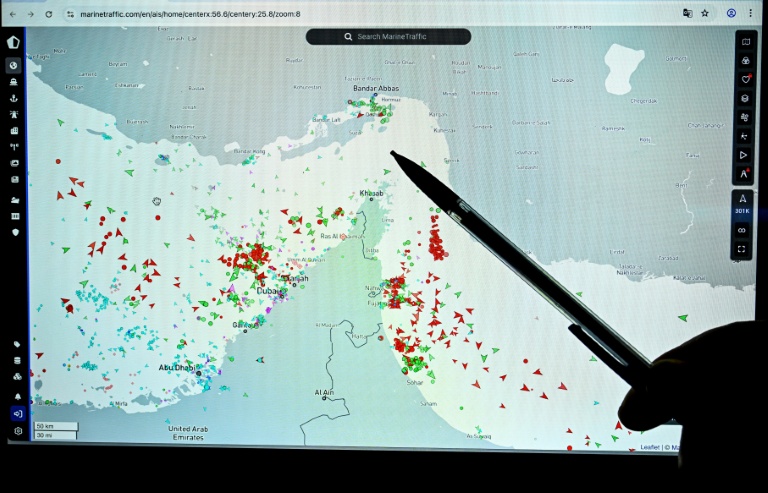
Iraq announced it had resumed limited oil exports through the Turkish port of Ceyhan, using a pipeline that avoids the Strait of Hormuz. The state-owned North Oil Company stated it was sending an initial 250,000 barrels a day from its fields in northern Kirkuk province through the pipeline, significantly below the usual 3.5 million barrels a day shipped from its southern Basra fields via the Strait of Hormuz. However, Iraqi officials indicated that the country’s gas imports from Iran were completely halted. The news came as Iran condemned the South Pars attack.
**Ship fuel prices soaring**
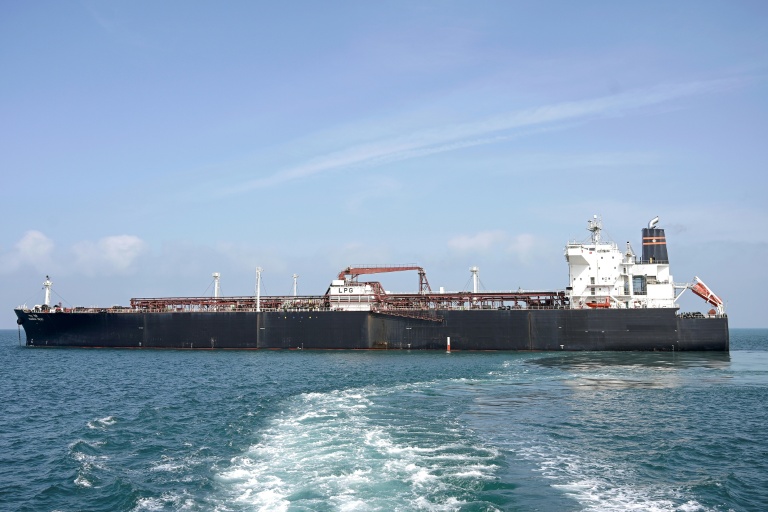
Shipping fuel prices have reached “truly unprecedented” levels, having nearly doubled due to the cargo crunch driven by the Middle East war, an industry leader told AFP Wednesday.
**Asia petrochemical output slows**
The Middle East war is prompting petrochemical giants in key Asian economies to cut production as the conflict disrupts supplies of naphtha, a crucial oil-derived component used to make a range of plastic goods. Mitsubishi Chemical and Mitsui Chemicals have reduced output, Shin-Etsu Chemical indicated it would raise prices, and LG Chem warned it might not be able to fulfill certain orders.
**Emergency shipping talks**
The International Maritime Organization commenced an “extraordinary session” to discuss shipping amid the war. The IMO’s 40-member council could vote Thursday on several proposed resolutions, including one to “establish a safe maritime corridor to allow the safe evacuation of seafarers and ships stranded in the Persian Gulf.” However, if passed, resolutions remain non-binding.
**South Korea secures UAE oil**
South Korea announced it would receive an additional 18 million barrels of oil from the United Arab Emirates through alternative supply channels, avoiding the need to pass through the Strait of Hormuz. The presidential chief of staff declined to elaborate on the route. Approximately 70 percent of South Korea’s oil imports typically pass through the strait.
**Sri Lanka unplugs EVs**
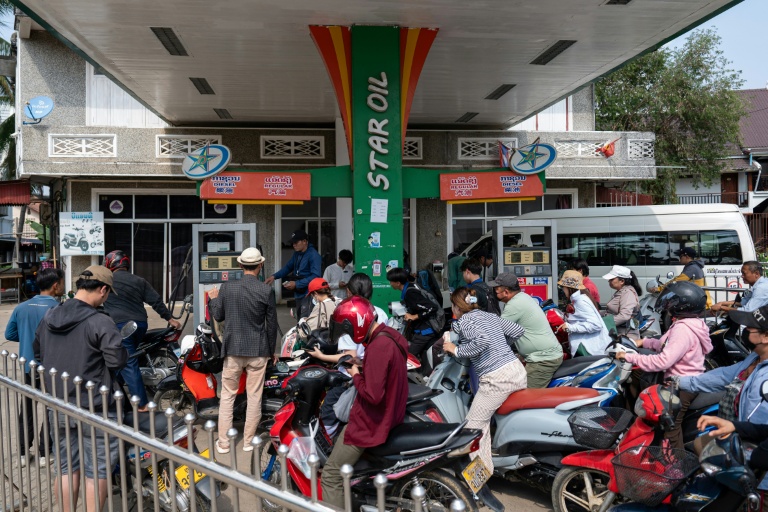
Sri Lanka has urged electric vehicle owners to stop charging their cars at night, stating that the surge in demand forces the country to burn more coal and diesel to maintain the power grid. In response to an energy crisis exacerbated by the war, Sri Lanka has started rationing fuel and has also implemented a four-day working week to reduce travel.
**BASF raises prices**
German chemicals giant BASF raised prices on certain industrial products in Europe by 30 percent due to escalating energy and input costs triggered by the war in the Middle East.
burs-jmb/dw/lkd/jfx
© 2024 AFP