
Paris (France) (AFP) – Here are the latest economic events in the Middle East war:
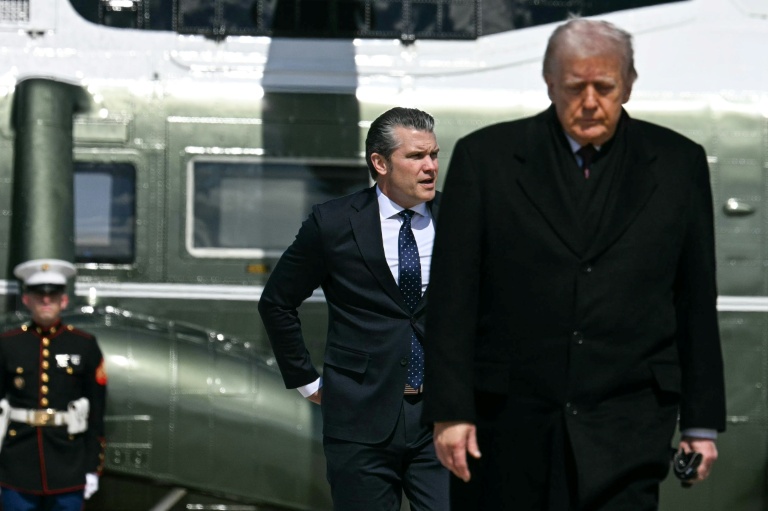
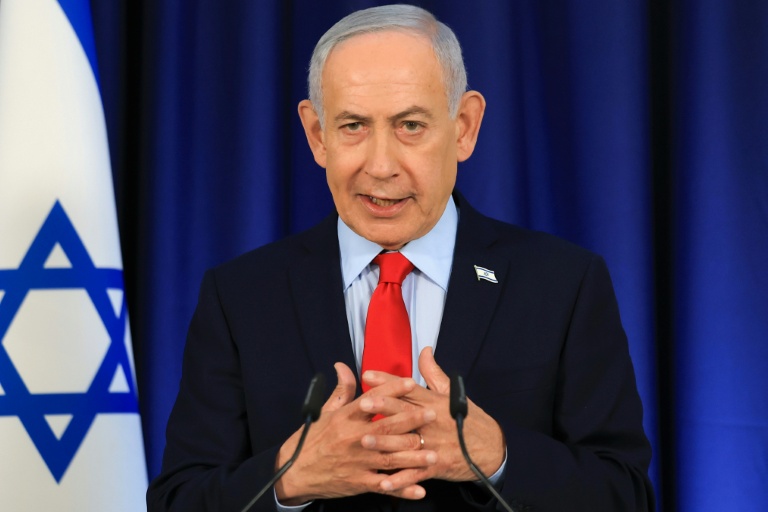
– **Crude back up** – Crude prices dipped after Israeli Prime Minister Benjamin Netanyahu said the war with Iran could finish sooner than many feared, only to rise again. Traders welcomed US President Donald Trump’s remarks that Israeli forces would not target any more of Tehran’s energy infrastructure. Brent crude had risen around 2 percent around 1000 GMT to $111 a barrel while West Texas Intermediate was up 0.6 percent at $96. Gold and silver prices, which Thursday shed more than six percent and 13 percent respectively, diverged with gold adding 0.3 percent but silver edging down 1.6 percent.
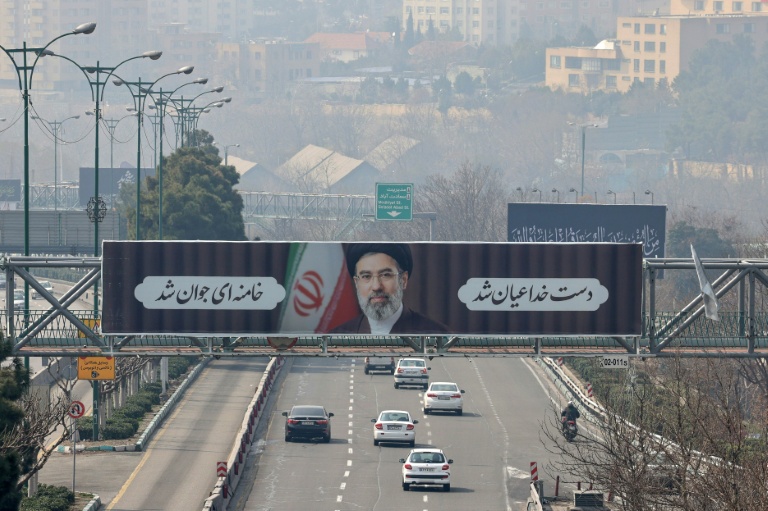
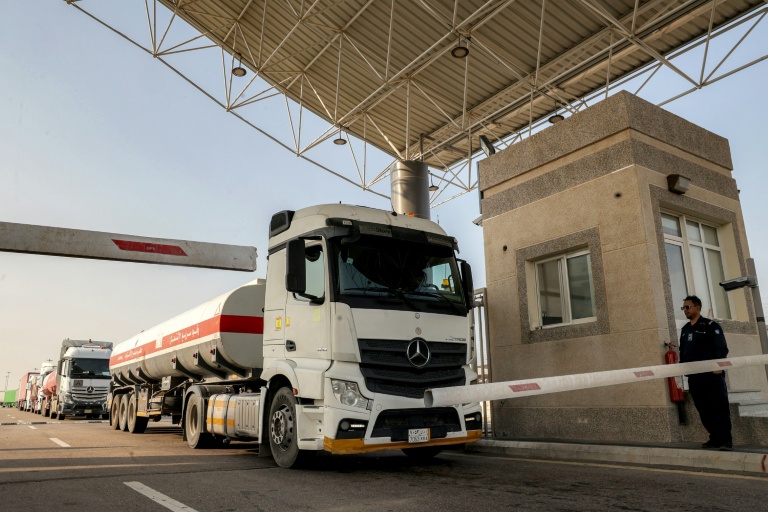
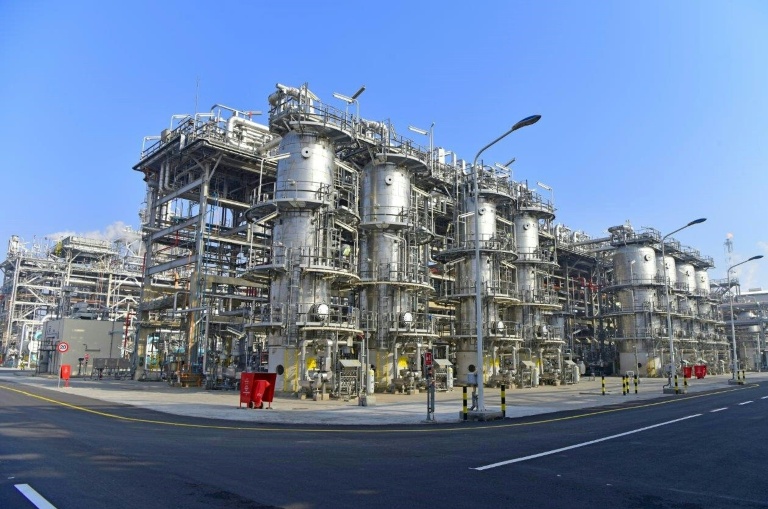
– **Kuwait refinery ablaze** – Firefighters battled a blaze at a giant oil refinery in Kuwait after a fresh drone attack, as Iran kept up a wave of strikes on its neighbors and vowed there was “no concern” about its missile production. Despite calls for an end to targeting Gulf energy infrastructure by European leaders on Thursday, Kuwait reported a fire at its Mina Al-Ahmadi refinery, a day after a direct hit on Qatar’s vital Ras Laffan facility. Iranian authorities had vowed to retaliate after an Israeli strike on Wednesday damaged its South Pars gas field, which draws on the world’s biggest known gas reserve and is vital for domestic supplies.
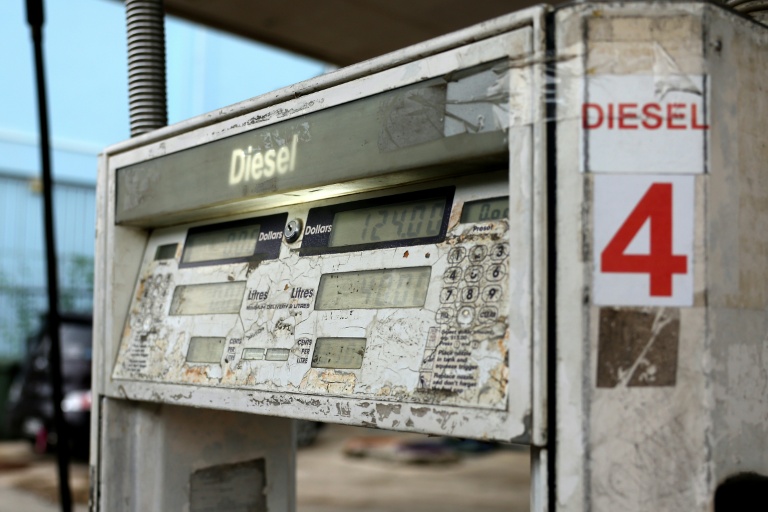
– **Vietnam fuel prices soar** – The cost of petrol rose more than 20 percent in Vietnam after the government announced an overnight hike amid fears of oil and gas shortages caused by the war. Southeast Asian countries have borne the brunt of surging diesel prices following strikes against energy infrastructure in Iran and the Gulf states. The increase has seen the price of regular octane 95 and diesel rise more than 50 and 70 percent respectively since the conflict began in late February.
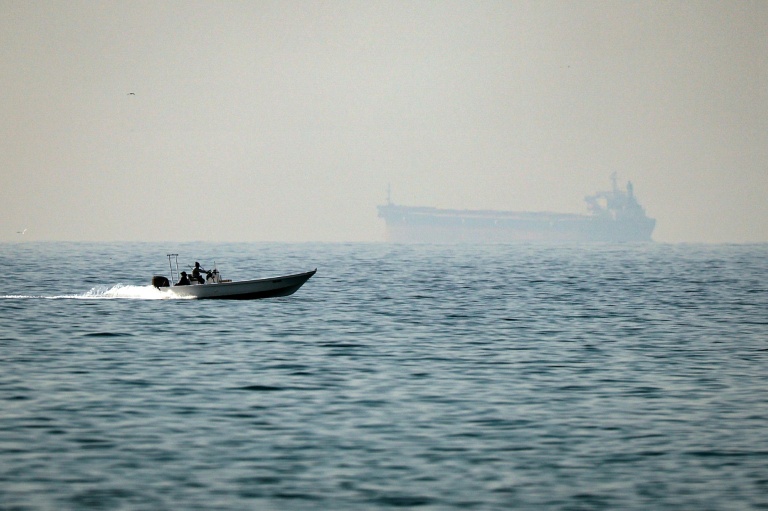
– **UN on Hormuz?** – French President Emmanuel Macron said his country planned to talk with permanent members of the UN Security Council about establishing a UN framework—once the ongoing exchange of fire had ended—to secure navigation in the Strait of Hormuz. “We have initiated an exploratory process, and we will see in the coming days whether it stands a chance of succeeding,” he told reporters in Brussels following a European summit.
– **’Safe maritime corridor’** – The UN’s maritime body called for the creation of a safe shipping “corridor” in the Gulf to evacuate stranded vessels and seafarers, after an emergency meeting that also condemned Iran. Following two days of urgent talks in London, the International Maritime Organization (IMO) said the “safe maritime corridor” should be established as “a provisional and urgent measure”. Six Western allies, including Britain, France, Germany and Japan, earlier stated they were ready “to contribute to appropriate efforts to ensure safe passage through the Strait of Hormuz”. Paris, Rome and Berlin later stressed any initiative would take place only after a ceasefire was reached.
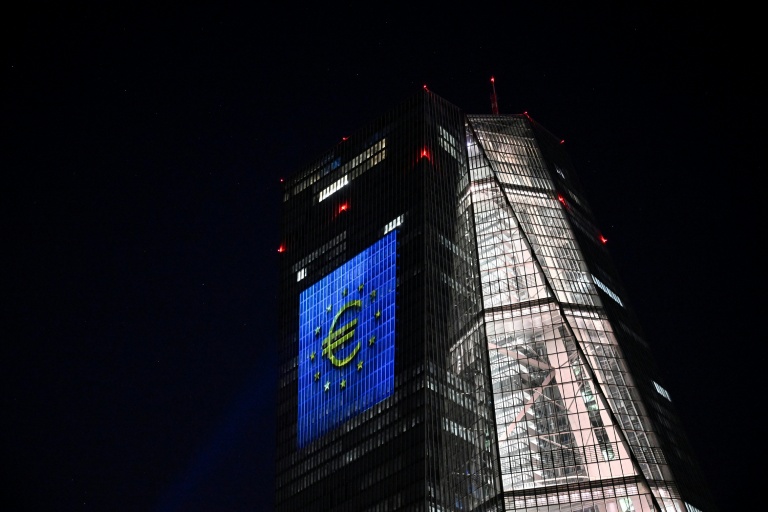
– **Inflation warning** – The European Central Bank cut its growth forecast and raised inflation forecasts for this year as it warned of the energy price shock from the Mideast war. ECB staff now see eurozone GDP growth reduced to 0.9 percent in 2026 and raised inflation projections to 2.6 percent for the year.
– **’Unsanction’** – US Treasury Secretary Scott Bessent said Washington might “unsanction” Iranian oil that is already being shipped to ease oil prices. In comments to Fox Business, Bessent also said the US government could release more oil from its strategic reserves.
© 2024 AFP