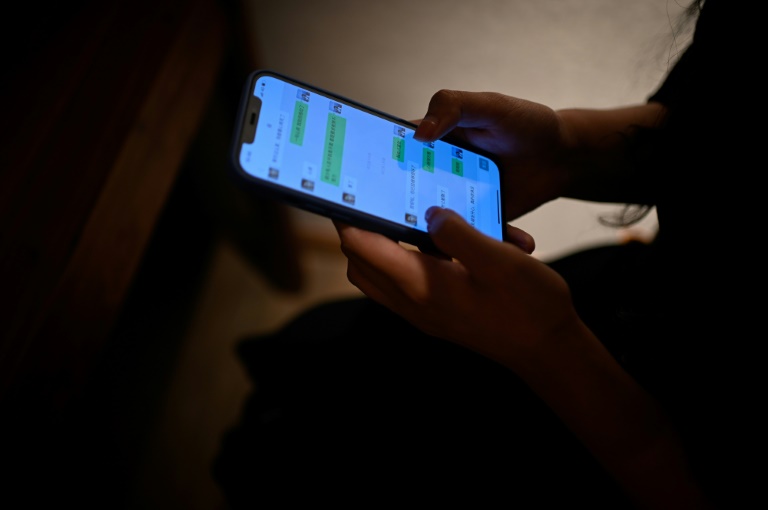

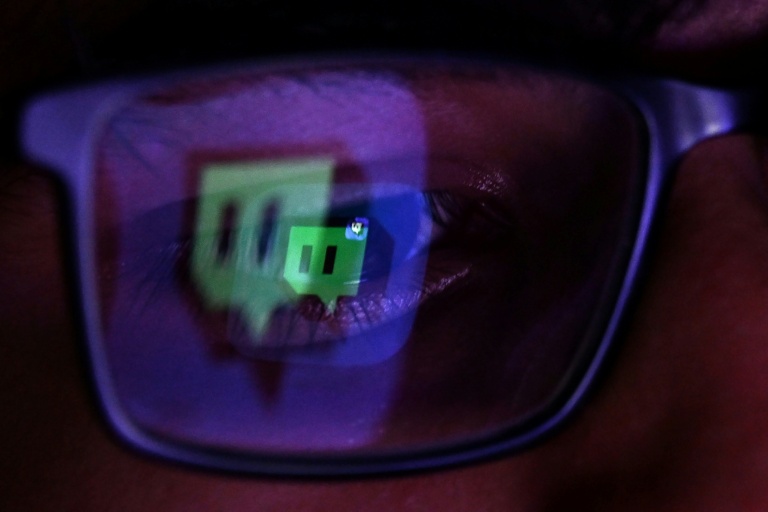
Sydney (AFP) – Australian under-16s are increasing their use of social media apps such as Instagram and Tiktok despite a world-leading ban, data provided by a parental control software company showed Wednesday. Australia implemented legislation barring children from social media platforms in December, with the UK, France and others following suit.
Youngsters’ use of social media fell across the board when the legal restrictions were first implemented, data from parental control app Qustodio showed. But since then, their social media activity has climbed — even approaching pre-ban levels for some apps. The use of apps TikTok, Instagram, and Snapchat among 10-12 year olds and 13 to 15-year-olds was on the rise, data from parental control app Qustodio showed.
In the case of video-sharing site TikTok, 25.9 percent of 13-15 year-olds are still using the app — just over a percentage point lower than before the ban came into force. And use among 10-12 year olds was just 0.06 percentage points below where it was before the ban.
“They could be accessing these platforms with VPNs, or obfuscating their ages,” Yasmin London, Global Online Safety Expert for Qustodio, said. “But it could really be as simple as they’re just accessing these apps because the restrictions aren’t working.”
The data also showed children increasingly turning to messaging platform WhatsApp, which is not affected by the ban. Qustodio said the data was gathered by analysing anonymised monthly social media app usage among Australian children and showed the percentages of kids that had used the app for more than five consecutive minutes at least once in a given month.
Australian officials have said the ban is designed to protect children from online bullying and “predatory algorithms.” A team of Australia-based researchers in a peer-reviewed study published in June found little evidence to suggest teenagers have turned away from social media as a consequence, however.
New Zealand’s government also this week said it would introduce legislation that could see firms like Meta fined up to 10 percent of their global revenue if they fail to comply.
© 2024 AFP