
EconomyLens.com
No Result
View All Result
Thursday, April 30, 2026
  • Home
  • Economy
  • Business
  • Markets
  • Tech
  • Editorials
EconomyLens.com
  • Home
  • Economy
  • Business
  • Markets
  • Tech
  • Editorials
No Result
View All Result
EconomyLens.com
No Result
View All Result
Home Economy

Stagflation risk in US ‘quite high’: Nobel-winning economist Stiglitz

Andrew Murphy by Andrew Murphy
March 17, 2026
in Economy
Reading Time: 7 mins read
A A
0
33
SHARES
407
VIEWS
Share on FacebookShare on Twitter

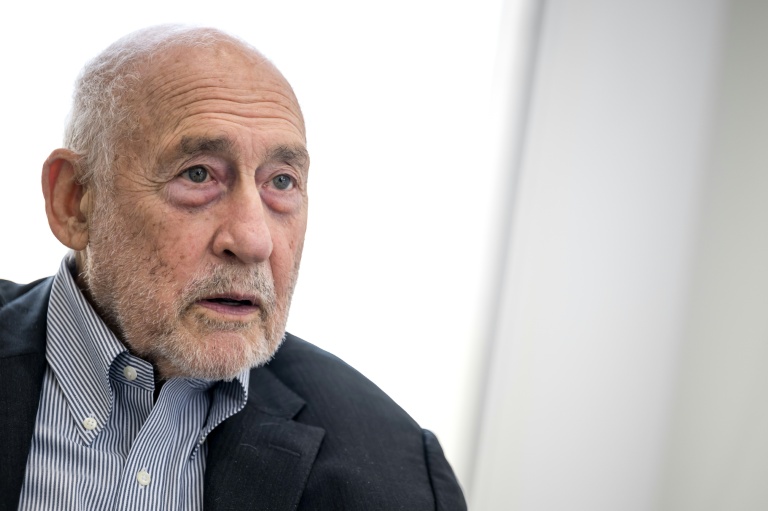
Joseph Stiglitz told AFP the United States was at high risk of falling into stagflation. ©AFP

Geneva (AFP) – The war in the Middle East has put the United States at high risk of falling into stagflation, Nobel Prize-winning economist Joseph Stiglitz told AFP on Monday. Even before the war erupted on February 28 with a barrage of US and Israeli strikes on Iran, Stiglitz said the US economy was already “close to stagflation” — a troublesome blend of high inflation and anaemic growth. There were a number of “readings for slow growth before the war,” he said in an interview at the United Nations’ European headquarters in Geneva, “and this just…pushes us over the brink”.

Related

Routine returns but Iranians struggle to afford daily life

Iran’s supreme leader defies US blockade as oil prices soar

Eurozone economy barely grows in first months of 2026

Oil crisis fuels calls to speed up clean energy transition

Nigerian airlines avert shutdown as Mideast war hikes fuel prices

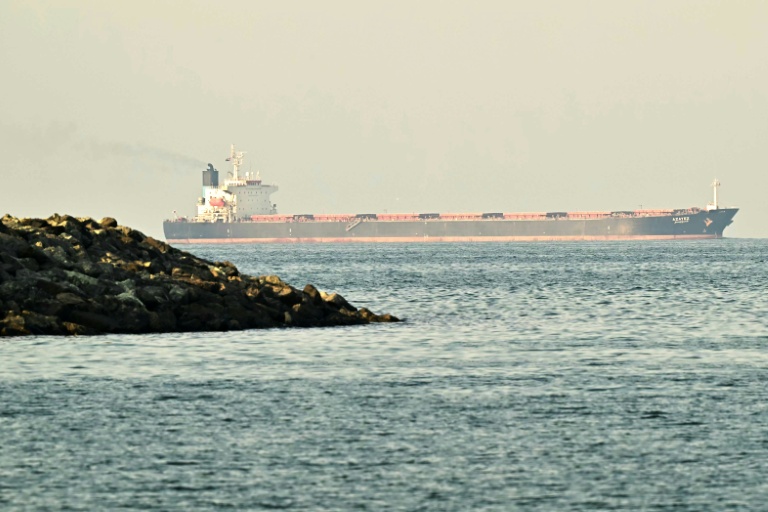
The Middle East war has virtually halted activity in the strategically vital Strait of Hormuz, through which a fifth of the world’s crude oil supplies and a substantial amount of gas normally run, sending oil prices soaring. Global oil prices have surged by 40 to 50 percent after Iran choked off the waterway and attacked energy and shipping industry targets in the Gulf in response to the US-Israeli war against the Islamic republic. This has sparked fears of a shock to a global trading system, which is already under stress from US President Donald Trump’s tariff offensive as well as the fragmentation of supply chains since the Covid-19 pandemic and Russia’s war in Ukraine.

Stiglitz, who jointly won the Nobel Economics Prize in 2001 for his analysis of markets with asymmetric information, said the United States was the country most at risk of falling into stagflation, as it did during the oil shocks in the 1970s. “The risk of stagflation seems to be quite high for the US,” said the professor at Columbia University in New York. The situation elsewhere was not as clear-cut, said Stiglitz, who served as chief economist at the World Bank in the late 1990s after being the chairman of US President Bill Clinton’s council of economic advisers.

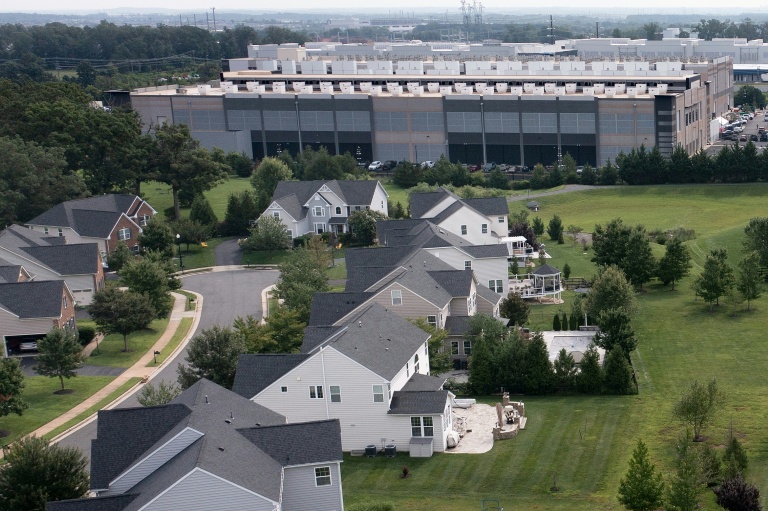
While Europe would certainly face inflationary pressures on energy too, it was also seeing a growth “stimulus” as it dramatically ramps up defence spending, after Washington “made it very clear that you cannot depend on the US for your defence,” he said. Trump’s policies had meanwhile significantly weakened the US economy even before the war, he maintained. Stiglitz pointed to troubling indicators, like the lack of labour force growth in 2025 and last month’s hike in unemployment. And while there had been growth, it had been “unbalanced,” he said, with around a third coming from the creation of artificial intelligence data centres. The stock market, meanwhile, “is doing well because it’s dominated by AI and tech firms,” he said. “If you look at the rest of the stock market, it’s just languishing.”

At the same time, Stiglitz said he expected to see Trump’s tariff policy boost inflation. Typically, when applying tariffs, a country could expect to see the value of its currency rise, since it is buying fewer goods abroad, which should lower inflation, the economist said. But in this case, he pointed out that “the dollar has gotten weaker.” That, he said, is because “Trump has destroyed confidence in America and the dollar.”

“The weaker dollar means that, rather than less inflation from the tariffs, there’s more inflation…Everything we import is more expensive in dollar terms.” Added to that now is inflation from the war, as well as greater uncertainty among households and businesses. They “don’t know what the tariffs are going to be, (or) how long this war is going to last. They don’t know what energy prices are going to be,” Stiglitz said. Businesses, he insisted, “can’t invest in these circumstances.”

© 2024 AFP

Tags: inflationMiddle EastUS economy
Share13Tweet8Share2Pin3Send
Previous Post

EU talks energy as oil price soars

Next Post

Talks towards international panel to tackle ‘inequality emergency’ begin at UN

Andrew Murphy

Andrew Murphy

Related Posts

Economy

Air France-KLM trims 2026 outlook over Middle East war impact

April 30, 2026
Economy

German growth beats forecast but energy shock looms

April 30, 2026
Economy

French economy records zero growth in first quarter

April 30, 2026
Economy

Brazil lowers benchmark rate to 14.5% in second consecutive cut

April 30, 2026
Economy

Powell’s decision to stay on at Fed ignites new Trump insult

April 29, 2026
Economy

‘Gritty’ Philadelphia pitches itself as low-cost US World Cup choice

April 29, 2026
Next Post

Talks towards international panel to tackle 'inequality emergency' begin at UN

Securing the Strait of Hormuz: Tactics and threats

Nvidia rides 'claw' craze with AI agent platform

Migrant workers bear brunt of Iran attacks in Gulf

0 0 votes
Article Rating
Subscribe
Notify of
guest
guest
0 Comments
Oldest
Newest Most Voted
Inline Feedbacks
View all comments
  • Trending
  • Comments
  • Latest

New York ruling deals Trump business a major blow

September 30, 2024

Elon Musk’s X fights Australian watchdog over church stabbing posts

April 21, 2024

Women journalists bear the brunt of cyberbullying

April 22, 2024

France probes TotalEnergies over 2021 Mozambique attack

May 6, 2024

New York ruling deals Trump business a major blow

97

Ghanaian finance ministry warns against fallout from anti-LGBTQ law

74

Shady bleaching jabs fuel health fears, scams in W. Africa

71

Stock markets waver, oil prices edge up

65

Venezuela opens arms to world with Miami-Caracas flight

April 30, 2026

Bangladesh signs biggest-ever plane deal for 14 Boeings

April 30, 2026

Apple earnings beat forecasts on iPhone 17 demand

April 30, 2026

Routine returns but Iranians struggle to afford daily life

April 30, 2026
EconomyLens Logo

We bring the world economy to you. Get the latest news and insights on the global economy, from trade and finance to technology and innovation.

Pages

  • Home
  • About Us
  • Privacy Policy
  • Contact Us

Categories

  • Business
  • Economy
  • Markets
  • Tech
  • Editorials

Network

  • Coolinarco.com
  • CasualSelf.com
  • Fit.CasualSelf.com
  • Sport.CasualSelf.com
  • SportBeep.com
  • MachinaSphere.com
  • MagnifyPost.com
  • TodayAiNews.com
  • VideosArena.com
© 2025 EconomyLens.com - Top economic news from around the world.
No Result
View All Result
  • Home
  • Economy
  • Business
  • Markets
  • Tech
  • Editorials

© 2024 EconomyLens.com - Top economic news from around the world.