
Washington (United States) (AFP) – US consumer inflation cooled more than expected in June as energy costs fell on a temporary easing of the US-Iran war, government data showed Tuesday, but renewed hostilities could stoke price pressures. The consumer price index (CPI) rose by 3.5 percent on a year-on-year basis in June, down from a three-year high of 4.2 percent in May, the Labor Department said. A drop in energy costs had more than offset upticks in housing and food prices.
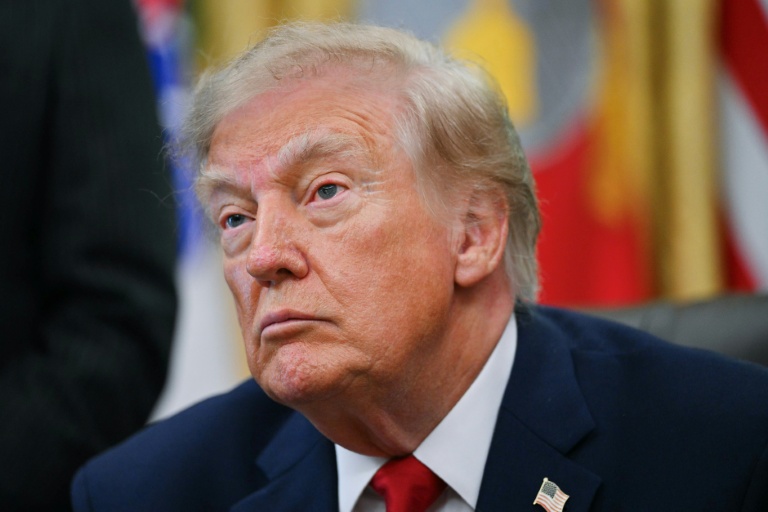
Trump touted the report, saying: “Prices are coming way down, and we’re going to bring them much lower yet.” “Remember that for the midterms,” he added, invoking voters’ concerns over rising costs ahead of the November midterm elections. Analysts had anticipated inflation to hit 3.8 percent, according to a survey by Dow Jones Newswires and The Wall Street Journal. But Kevin Warsh, chairman of the independent US central bank, indicated Tuesday that it was still too early to celebrate. “There might be some that look at this morning’s data and say, ‘Oh, mission accomplished! Everything is swell,'” Warsh said at a House Financial Services Committee hearing. “That is not my view.”
He told lawmakers that Federal Reserve officials have “no tolerance” for stubbornly high prices and vowed to rid the United States of a years-long “inflation surge.” “If we get policy right — and I can assure you we will — the inflation surge of the last five years will be a thing of the past,” Warsh said in opening remarks. While the bank has a long-run inflation target of 2.0 percent, cost hikes have been higher than that level for around five years.
Besides inflation, US lawmakers also questioned Warsh on his ties with Trump, who selected him for the Fed role. Markets are watching for hints that the Fed may lift interest rates later this year to counter inflation — despite the president’s pressure for cuts. Asked what he would do if targeted by Trump over the Fed’s interest rate decisions, Warsh said: “I would continue to do my job.” “Outside the four walls of the Federal Reserve, there’s no doubt a lot of politics,” he added. “My goal inside the central bank is for there to be no politics. The extent there’s politics there, we’re going to get rid of them.” He maintained that policymakers would “follow the data” and their “very best judgment” in adjusting rates.
The Fed is also monitoring the effects of AI investments on inflation and the jobs market, he said. Excluding the volatile food and energy sectors, “core” CPI was up by 2.6 percent year-on-year in June, also below May’s reading. Overall CPI fell by 0.4 percent between May and June, the first month-on-month decline since 2020.
White House economic advisor Kevin Hassett told Fox News that Tuesday’s report was “absolutely the best” in about six years, downplaying expected disruptions from the Middle East conflict. Hassett added that the path towards lower US gasoline prices merely faced “a hiccup” because of Tehran.
A lower reading of underlying inflation “gives the Fed breathing room in deciding whether and when to raise interest rates,” said Nationwide chief economist Kathy Bostjancic in a note. But she warned that the sharp reversal in oil and gasoline prices “will keep odds for a rate hike in the coming months high.” For now, June’s data have not shown inflation broadening out across goods and services, a concern held by central bankers, said economist Bernard Yaros of Oxford Economics. Besides oil prices, effects from Trump’s tariffs “were not discernible” while price pressures linked to the artificial intelligence buildout were less evident than expected, he said.
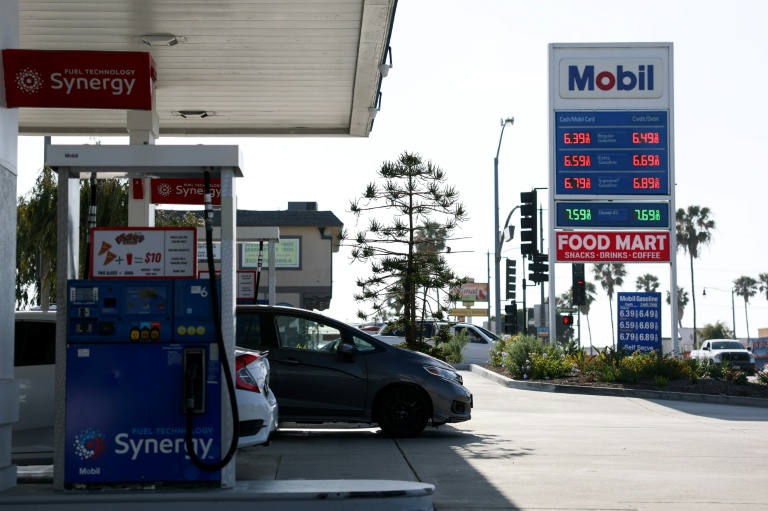
US gasoline costs plunged by 9.7 percent in June on a month-on-month basis — though they are still higher than a year ago. Energy prices rocketed this year after the US and Israel launched strikes on Iran in late February, triggering Tehran’s retaliation in virtually blocking off the Strait of Hormuz, a key waterway for global energy transit.
© 2024 AFP