
Tehran (AFP) – The United States and Iran traded strikes on Thursday for the second day running as Washington and Tehran battled over the strategic Strait of Hormuz. The vital oil and gas corridor is a key point of contention in the Middle East war, with Tehran insisting on control of the strait despite it being open to free passage before US-Israeli attacks sparked the conflict in February.
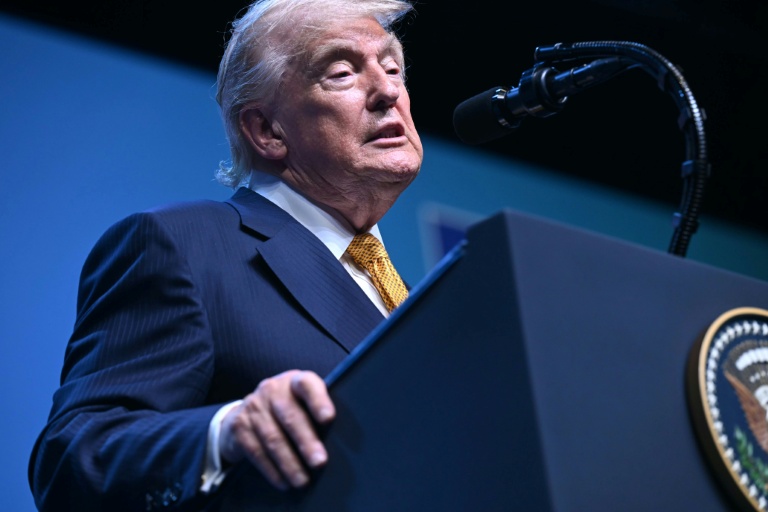
After the foes traded attacks on Wednesday, US President Donald Trump said the ceasefire with Iran was “over,” but left the door open to more talks and added any strikes would end quickly. US forces said the latest attacks against Iran were aimed at “their ability to threaten the freedom of navigation in the Strait of Hormuz,” citing recent strikes against commercial ships in the waterway. The US Central Command reported they had struck approximately 90 military targets, including missile and drone storage as well as military logistics sites along Iran’s coastline.
The strikes killed three people and wounded several others on the outskirts of Ahvaz in Iran’s southwest, the country’s official news agency IRNA reported, quoting an official. Iran’s reprisals came quickly, with the Revolutionary Guards (IRGC) stating they had struck “key infrastructure and facilities” at US bases in Arifjan and Ali Al Salem in Kuwait, as well as Juffair and Sheikh Isa in Bahrain. The Iranian army later said it had targeted sites in Kuwait, Bahrain, and Qatar with one-way attack drones as part of its assaults on US bases in the Gulf, according to state TV reports. An AFP journalist heard blasts in Bahrain’s capital Manama, and Kuwait reported intercepting “hostile missile and drone attacks.”
American strikes hit a railway bridge in Iran’s northeast, according to official media, and IRNA reported strikes on a military base in coastal Bushehr, which hosts the nation’s only civilian nuclear power plant. Earlier, warplanes were heard over Iran’s Kish Island and explosions rocked the port cities of Bandar Abbas, Konarak, and Chabahar, part of which lost electricity, IRNA reported. “This is in retribution for yesterday’s bombing of ships by Iran,” Trump said in a post on Truth Social on Wednesday. “If it happens again, it will get much worse!”
Late on Wednesday, while speaking to reporters aboard Air Force One, Trump mentioned that the Iranian side had “called a little while ago,” expressing their eagerness to strike a deal. However, he did not provide further details of the call, including who was on the line, and nonetheless cast doubt over the value of any deal, describing the Iranians as “sort of crazy.”
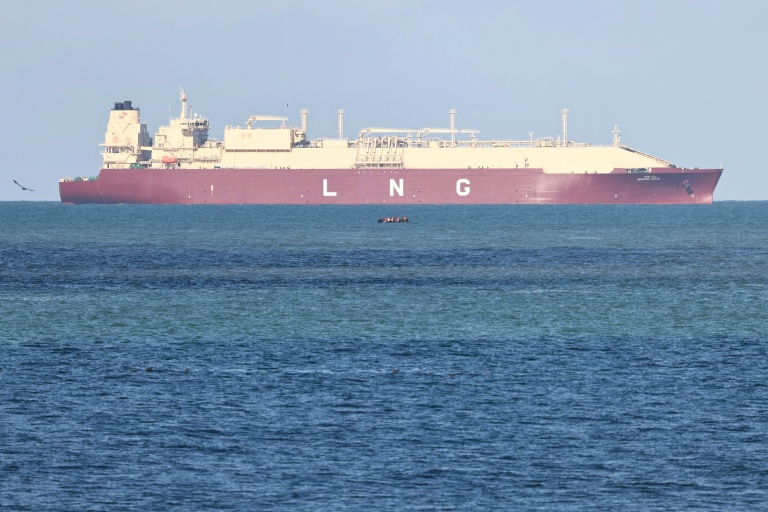
Iran’s chief negotiator, Mohammad Bagher Ghalibaf, asserted on Thursday that the Strait of Hormuz would be opened only under “Iranian arrangements.” He stated, “The United States still has not learned that bullying and breaking its promises no longer come without consequences. Let me be clear: If you strike, you will be struck.” Since the start of the war, Tehran has insisted on controlling the strait, claiming it will charge fees for passage and threatening to target vessels that deviate from its authorized route. Its military struck at least three ships in recent days, prompting extensive US strikes against Iranian targets on Tuesday.
The strikes on Thursday occurred just hours ahead of the burial of Ali Khamenei, Iran’s late supreme leader, who was killed at the outbreak of the war on February 28. UN chief Antonio Guterres called on all parties to exercise maximum restraint, as did Pakistan, a key mediator in the US-Iran talks. Iran stated that Foreign Minister Abbas Araghchi and Qatar’s prime minister had spoken over the phone on Wednesday, underscoring the importance of using diplomatic means to resolve regional issues.
Both the United States and Iran reported hitting dozens of targets in the initial wave of attacks, which Iranian state television claimed had killed eight Iranian military personnel. CENTCOM indicated its forces struck more than 80 targets on Tuesday, while the Guards noted they hit dozens of US military facilities in Kuwait and Bahrain.
Oman, which sits on the other side of Hormuz from Iran, condemned the strikes on ships but refrained from blaming Iran. The former mediator has consistently avoided attributing blame to Iran for attacks throughout the war, aiming to maintain its neutrality amid ongoing talks with Tehran regarding the administration of Hormuz. Washington seeks free passage for ships, while Iran insists on fees and has refused to allow vessels to pass through Omani waters. All three recently struck vessels were sailing close to Oman, which had announced a temporary transit corridor hugging its coastline.
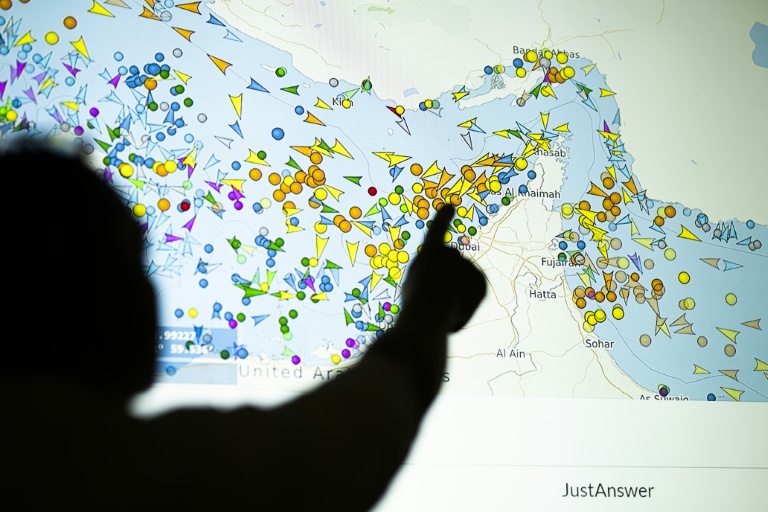
Maritime traffic had tentatively resumed following the agreement to end hostilities last month. However, almost 6,000 seafarers remain stranded in the area, International Maritime Organisation chief Arsenio Dominguez reported on Wednesday.
© 2024 AFP