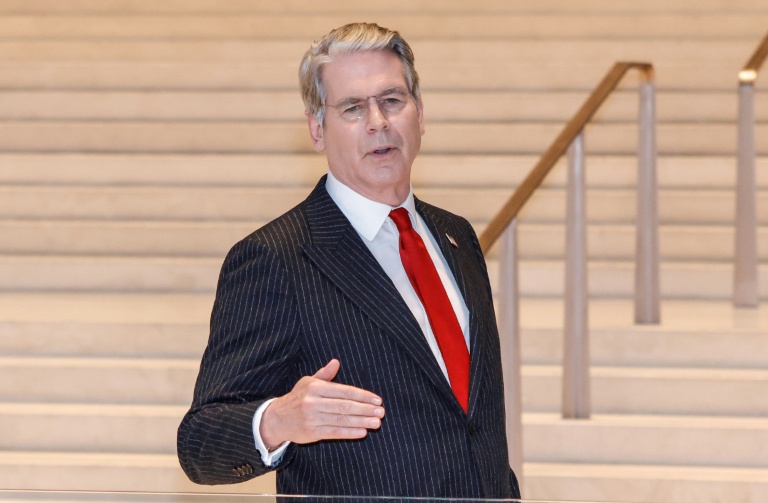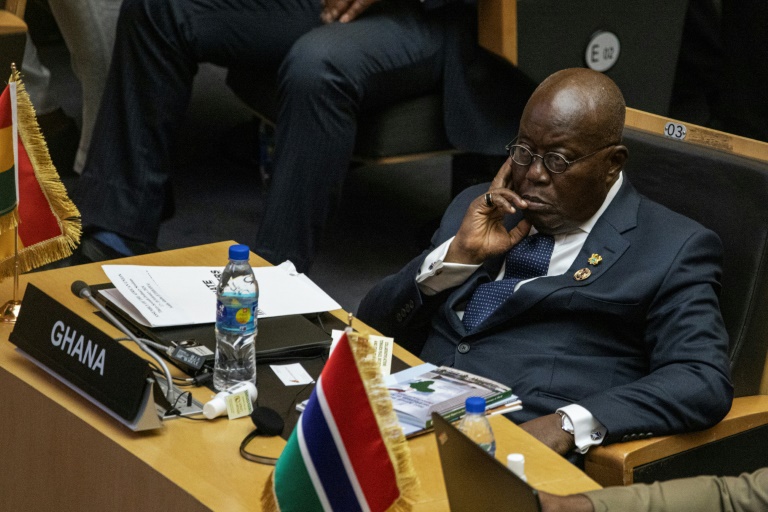

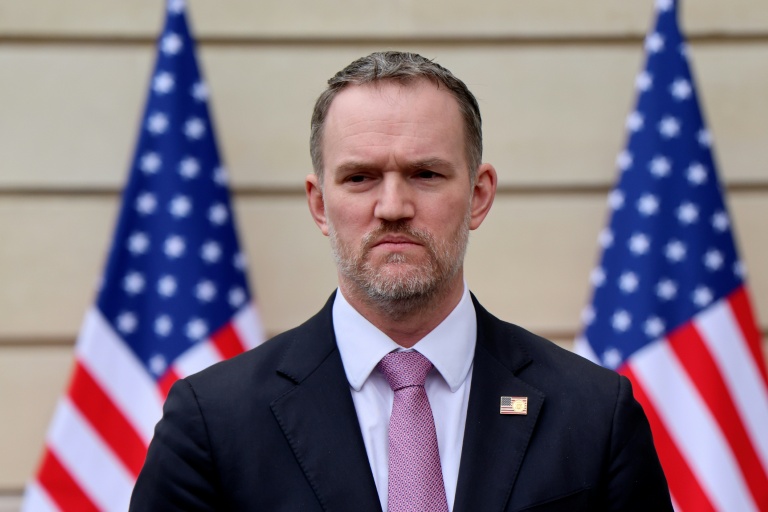
Yaoundé (AFP) – US trade policy is a “corrective response” to the unbalanced rules of the World Trade Organization, US Trade Representative Jamieson Greer said as the WTO’s ministerial conference opened Thursday. The status quo “has become economically unworkable and politically unacceptable,” Greer said in a video statement as the global trade body’s ministerial conference — its supreme decision-making body — kicked off in Cameroon’s capital Yaounde.
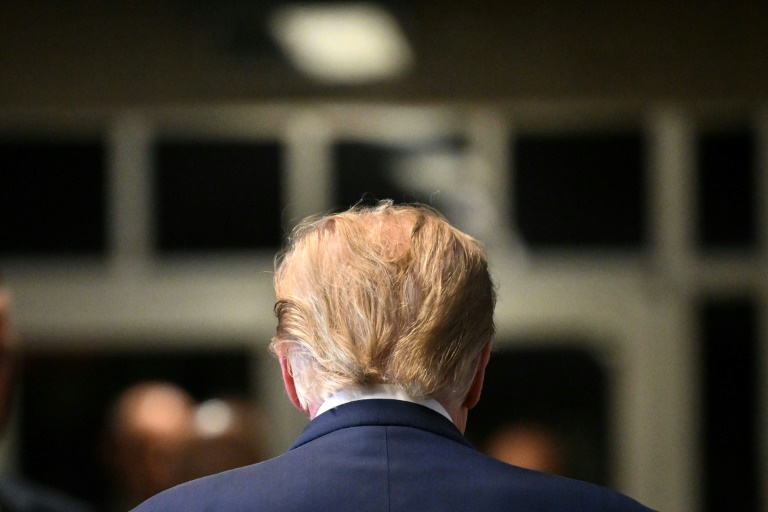
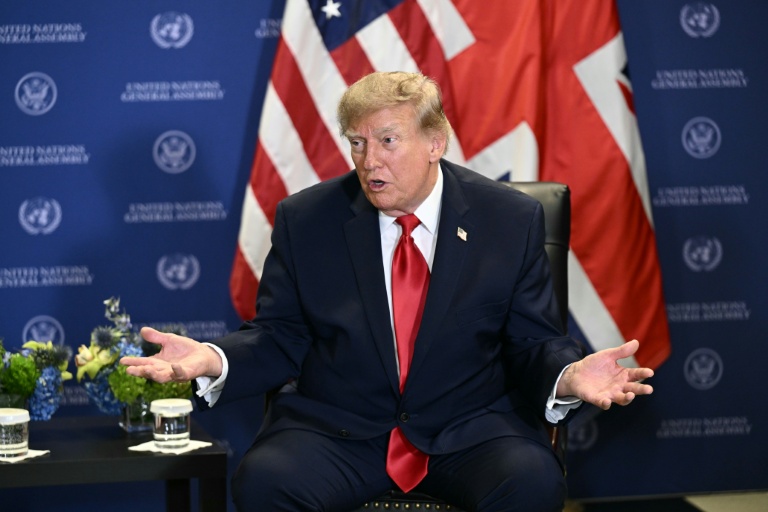
Yaounde marks the WTO’s first ministerial since US President Donald Trump returned to the White House last year, unleashing a barrage of attacks on multilateralism and WTO rules with sweeping tariffs and bilateral trade deals. The WTO grew out of the post-WWII agreements that saw nations reduce tariffs and set up mechanisms to resolve trade disputes. However, over the past three decades, there has been little progress on new trade deals, and the WTO has had difficulty resolving trade imbalances and disputes, particularly those between emerging and developed nations.
For over a decade, the US blocked the appointment of new judges, leading to the WTO’s inability to resolve trade disputes. Greer, who is in Yaounde for the conference, said Trump was restructuring the trading system to base it on “reciprocity, fairness, and balanced trade.” “US trade policy measures are a corrective response to a trading system, embodied by the WTO, that has overseen and contributed to severe and sustained imbalances,” Greer said. “They are a response to the failure of multilateral institutions and negotiations to achieve fairness in terms of market access and a level playing field,” he said.
Greer said trade imbalances had damaged industries and their workforces, leading to “deindustrialisation, dependency, and despair.” “As ministers, our focus should be on reforms that would make the WTO more responsive to members and improve our ability to achieve outcomes that optimise our trading relationships.” Greer said the “new order” would involve agreements between smaller groups of countries, rather than “wasting years and even decades to agree on a lowest-common denominator.”
Greer said he was looking forward to frank conversations on WTO reform, its future role, and what it “realistically can, and cannot, accomplish.” He urged WTO members to make the moratorium on e-commerce duty permanent. “A permanent moratorium will ensure that WTO members maximise the benefits of our shared commitment to promote the growth of the digital economy and to promote the export competitiveness of all businesses,” he said.
“The United States is not interested in another temporary extension of the moratorium,” which has been in place for nearly three decades. If members cannot agree on this, “no-one can reasonably expect the WTO to deliver meaningful results in other sectors,” Greer added.
© 2024 AFP