
Paris (France) (AFP) – Here are the latest economic events in the Middle East war:
– **More ships pass Hormuz**
A French-owned and a Japanese-owned vessel are among a handful of ships to have transited the war-torn Strait of Hormuz, maritime tracking data showed Friday. The passage, a vital route for oil and liquified natural gas, has been virtually blocked by Tehran since US-Israeli strikes on Iran triggered conflict throughout the Middle East. Both ships made the crossing on Thursday, according to tracking company Marine Traffic. In addition, three tankers — including one co-owned by a Japanese company — crossed the strait on Thursday via an alternative, southern route. They hugged close to the shore of Oman’s Musandam Peninsula, a first in nearly three weeks, according to Lloyd’s List.
– **UAE gas site fire kills one**
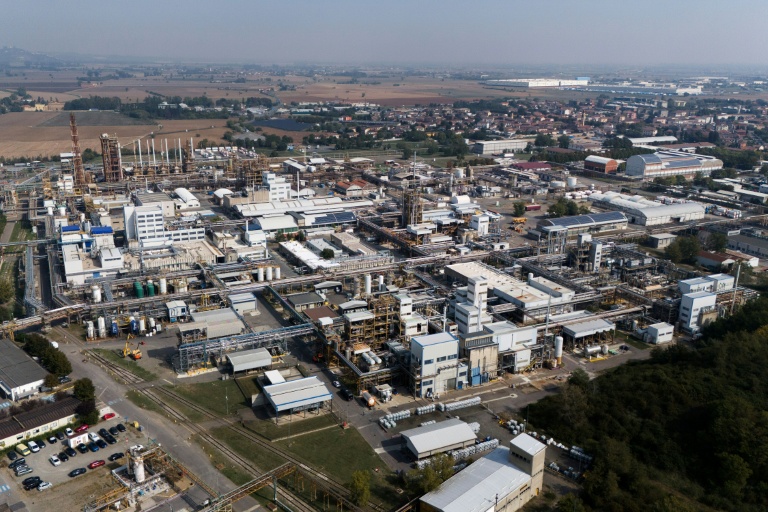
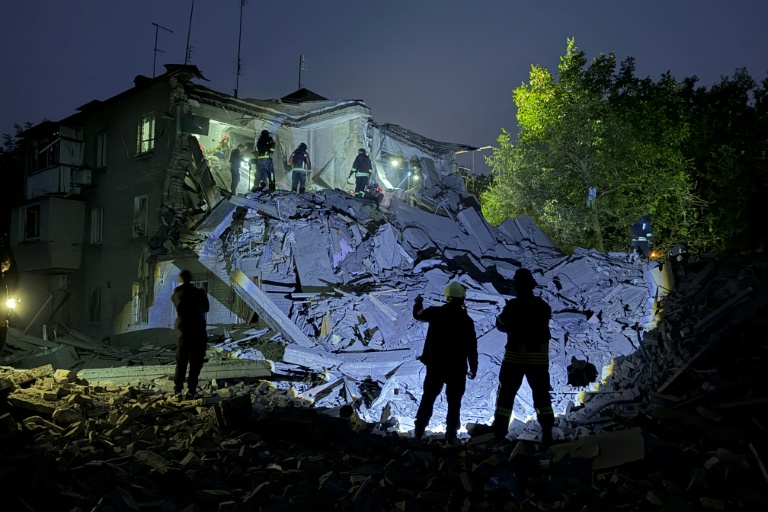
One person was killed and four others wounded after a fire at a gas complex in Abu Dhabi, caused by falling debris from an intercepted attack on Friday, the government media office said. It also reported “significant damage” at the facilities.
– **Italian central bank cuts forecast**
Italy’s central bank revised down its growth forecasts due to “sudden energy price hikes” linked to the war. The Bank of Italy now expects gross domestic product (GDP) to grow by 0.5 percent both this year and next, and then by 0.8 percent in 2028. It previously forecast 0.6-percent growth in 2026 and 0.8 percent in 2027.
– **White House seeks $1.5 tn**
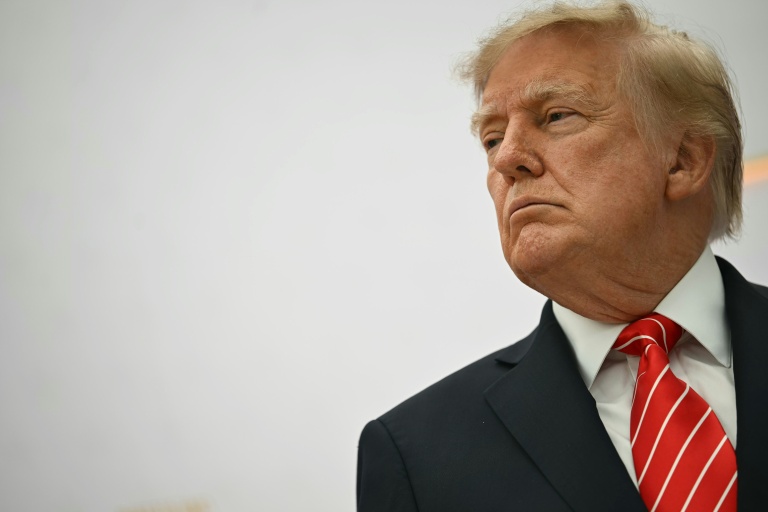
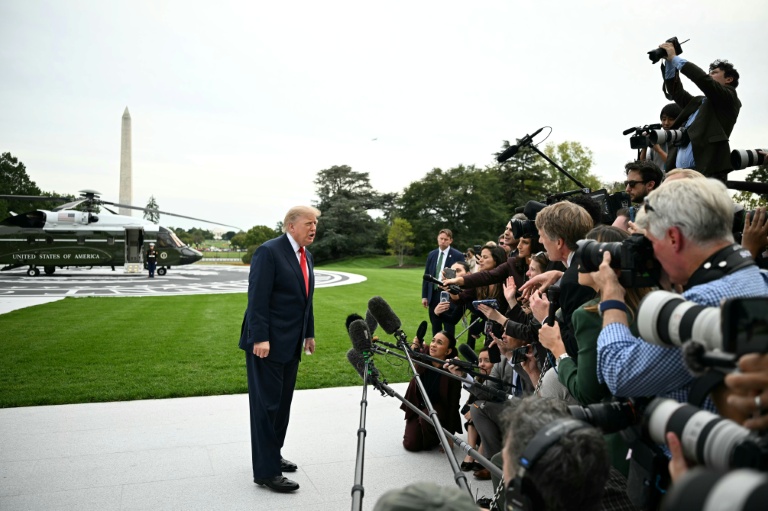
US President Donald Trump asked lawmakers to approve a massive $1.5 trillion defense budget for 2027, as the United States faces rising costs from its war with Iran and mounting global security commitments. The proposal would increase Pentagon spending by more than 40 percent in a single year — the sharpest rise since World War II.
– **UAE company needs year to restart aluminium**
Emirates Global Aluminium, one of the world’s largest aluminium producers, said it could take up to a year to resume full production after an Iranian missile attack damaged its Abu Dhabi site. Iran has attacked several smelters in the United Arab Emirates and Bahrain since the war began on February 28, saying they play a role in supplying US military.
– **Israel re-opens gas field**
Israel resumed operations at its Leviathan offshore major natural gas field. It had been shut down since the onset of its war with Iran, halting exports to neighboring Egypt and Jordan.
– **Bangladesh cuts office hours**
Bangladesh cut office and shop hours and banned decorative lighting at weddings starting Friday, to conserve energy stocks after price hikes. Bangladesh imports 95 percent of its oil and gas needs. About 60 percent of its electricity is generated using imported gas, while diesel is primarily used for farming.
– **Free bus rides in Pakistan**
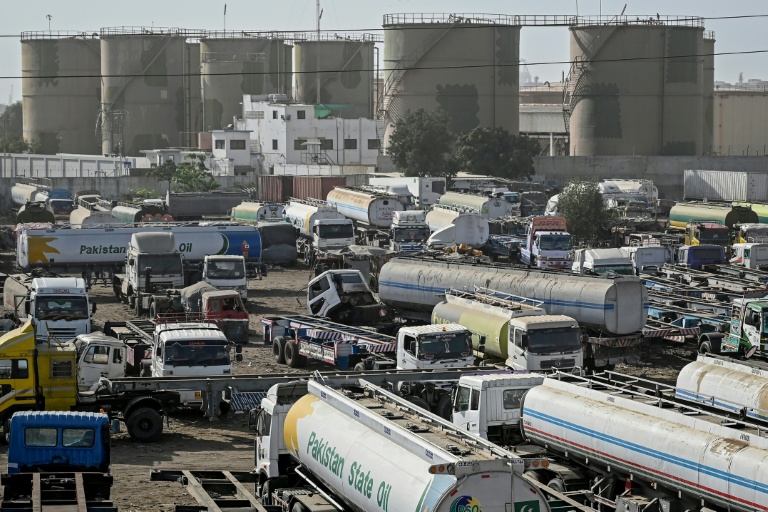
State-run public transport in Pakistan’s capital and most populous province will be free for the coming month, officials said Friday. The announcement came hours after a late-night decision to impose a 43-percent rise in the price of petrol and 55 percent on diesel, prompting street protests and long queues at gas stations.
– **Food prices rise**
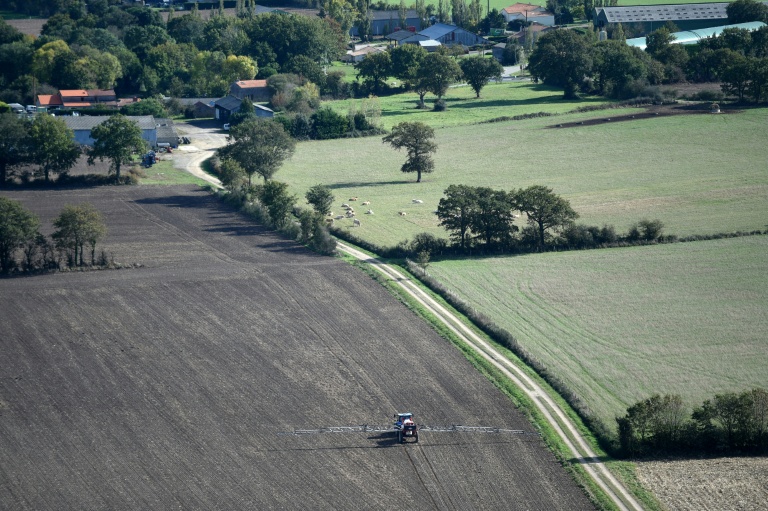
The UN’s Food and Agriculture Organization (FAO) said its Food Price Index, which measures the monthly changes in international prices of a basket of food commodities, rose 2.4 percent in March from February due to higher energy and fertilizer costs.
– **Australia faces petrol shortages**
Australia’s government urged motorists to fill their cars at city petrol stations ahead of any long road trips over the Easter holiday. Energy Minister Chris Bowen said hundreds of service stations in rural towns had run out of diesel nationally and more than a hundred were without unleaded petrol.
© 2024 AFP