
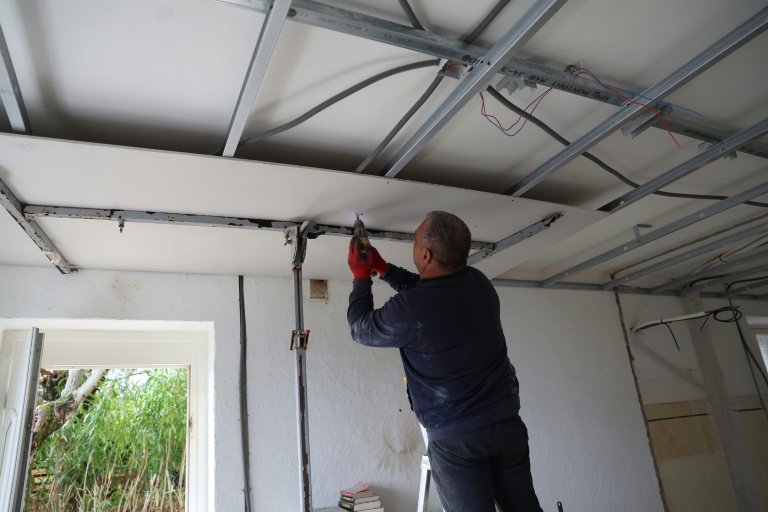
Paris (France) (AFP) – French GDP shrank 0.1 percent in the first quarter, official data showed Friday, a downward revision from previous estimates that analysts warn could herald a recession for the eurozone’s second-biggest economy. Statistics office INSEE had initially reported zero growth for the quarter, but a sharper decline in consumer spending than expected was “an unpleasant surprise,” said Dorian Roucher, the agency’s head of forecasting. He noted in particular “very bad figures for home renovations: it’s rare to see this sector decline so much,” Roucher told journalists, with overall construction spending down 1.7 percent.
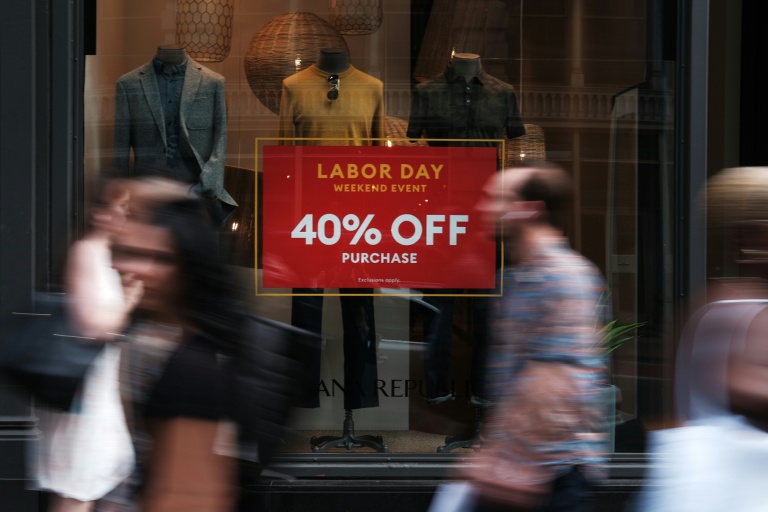
Consumer spending overall was dented by the surge in fuel prices since the Iran war throttled Gulf oil and gas shipments, falling 0.2 percent after rising 0.3 percent in the fourth quarter of last year. Economists said the figures do not bode well for French growth this year, with some already expecting a further GDP slowdown in the current quarter. That would push France into a technical recession of two straight quarters of contraction. “The recession risk is fairly high,” said Mathieu Plane, director of the French Economic Observatory, calling the GDP reading “worrying.”
Analysts at ING noted that “households are becoming more pessimistic about their financial situation, and their willingness to make major purchases has weakened noticeably.” They added that “the government’s growth target of 0.9 percent for this year now appears clearly out of reach,” expecting instead GDP expansion of around 0.6 percent in “a best-case scenario.”
INSEE also reported Friday that consumer spending fell a further 0.5 percent in April from the previous month, while in May, inflation accelerated to 2.4 percent. The agency recently forecast second-quarter GDP growth of 0.2 percent, and a first estimate will be published in mid-June. Roucher said that “the most likely scenario at this time is not a new GDP decrease,” though he cautioned that “we can expect the shock to spread” throughout the economy.
The data puts further pressure on the government as it scrambles to cut billions of euros in spending to reduce a public deficit that stood at 5.1 percent of GDP last year — well above the eurozone limit of three percent. Economy Minister Roland Lescure said after the figures that the government “remained vigilant, but without giving in to fear-mongering.” He said inflation “is still limited and contained overall, especially when compared with our European neighbours.” He attributed the growth hit to “cyclical headwinds and the late adoption of the government budget” that cut public spending, including on renovation subsidies for low-income households.
France awaits a sovereign credit review from Standard & Poor’s, which cut its rating to A+ last October due to risks that government spending would remain high. Most economists expect S&P to maintain the rating for now despite the growing headwinds as the Middle East war enters its fourth month, keeping oil prices well above the levels seen at the beginning of this year. INSEE also reported that consumer spending fell a further 0.5 percent in April from the previous month, while in May, inflation accelerated to 2.4 percent after 2.2 percent in April.
© 2024 AFP